Choose a cutting mat for model assembly
Choose a mat that fits the cutting task and leaves enough supported space around the model.
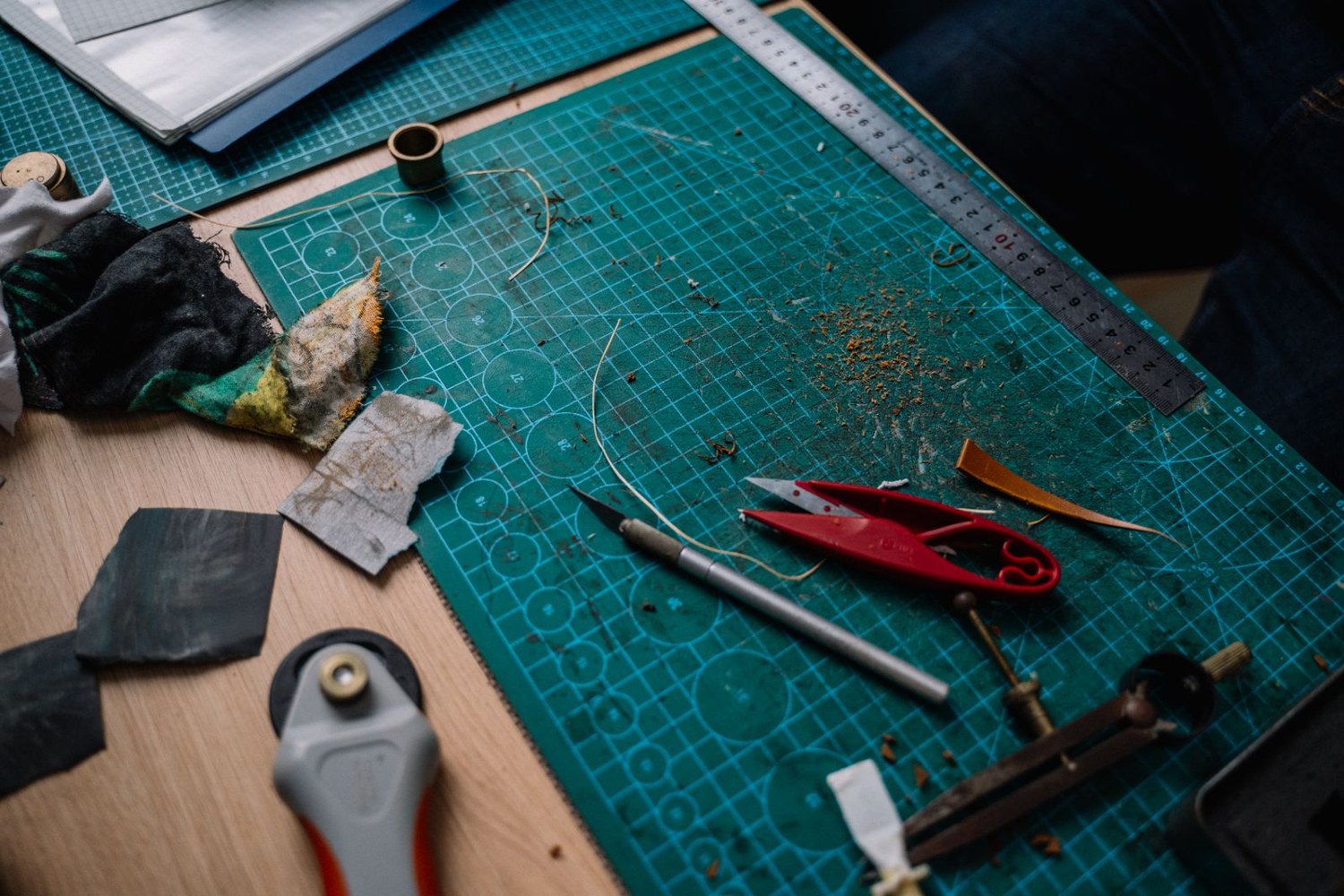
The useful size of a cutting mat is determined by the work, not simply by the desk. Measure the largest sheet or component you expect to cut and leave room for the ruler and both hands. A material overhanging the mat can shift or expose the furniture beneath it. A very large mat is not automatically better if it leaves no clear space for the rest of the assembly.
Check the mat's intended use and care instructions. A self-healing surface can be suitable for ordinary hobby knife work, but it is not a promise that every blade, rotary tool or hot process is appropriate. Keep heat, solvents and adhesives away unless the manufacturer explicitly permits them. A cutting surface is not a general chemical-resistant workbench.
Look at the printed grid and units. Choose markings that are easy to read under your work light, while still using an appropriate ruler for dimensions that matter. The grid can help organise a cut, but wear, viewing angle and the thickness of a printed line limit how precisely it can serve as a measuring reference.
Test the mat's position on the desk. It should lie flat and remain stable during controlled cutting. Keep the cutting path away from the hand holding the material, and use a suitable straightedge with a safe grip. Several controlled passes may be appropriate for some materials, but follow the blade and material guidance rather than forcing a cut that requires excessive pressure.
Reserve a clear area for blades and offcuts. Small plastic scraps beneath a sheet can make it rock or change how it is supported. Put used blades into an appropriate sharps container instead of leaving them on the mat where they blend into the grid. Close or sheath the knife when you stop cutting.
Store the mat as the manufacturer recommends so that it stays flat. If the surface develops deep damage or distortion that interferes with the work, replace it rather than compensating with more force. The right mat provides a predictable supported surface; it does not replace careful tool control or make an unsuitable cutting task safe by itself.
Another detail to explore
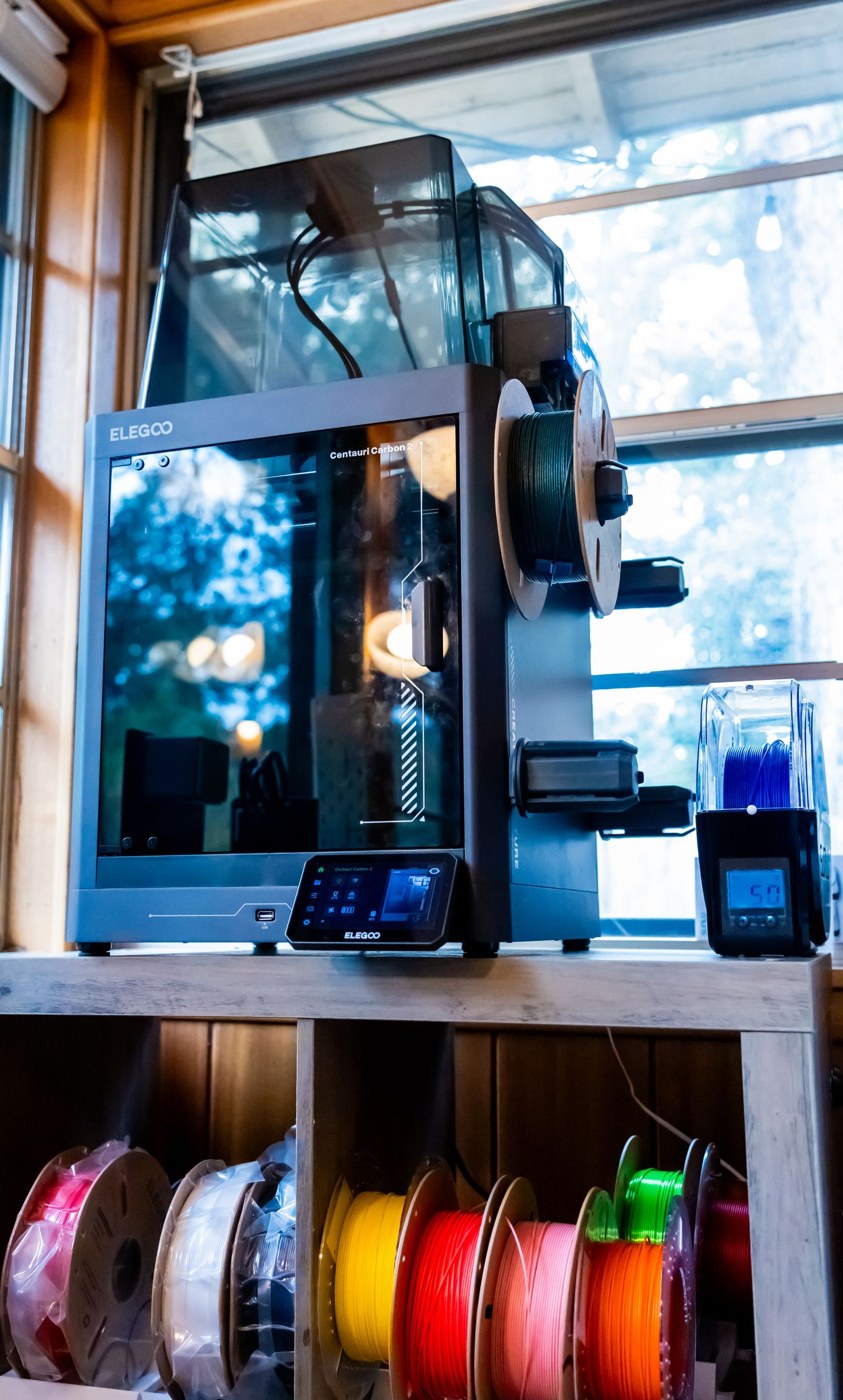
Store filament with a label you can actually use
Keep material identity, opening date and profile information with the spool through storage and use.
Read article
Choose between PLA and PETG for an indoor model
Choose material around handling, shape and finishing rather than treating one polymer as a universal upgrade.
Read article