Choose between PLA and PETG for an indoor model
Choose material around handling, shape and finishing rather than treating one polymer as a universal upgrade.
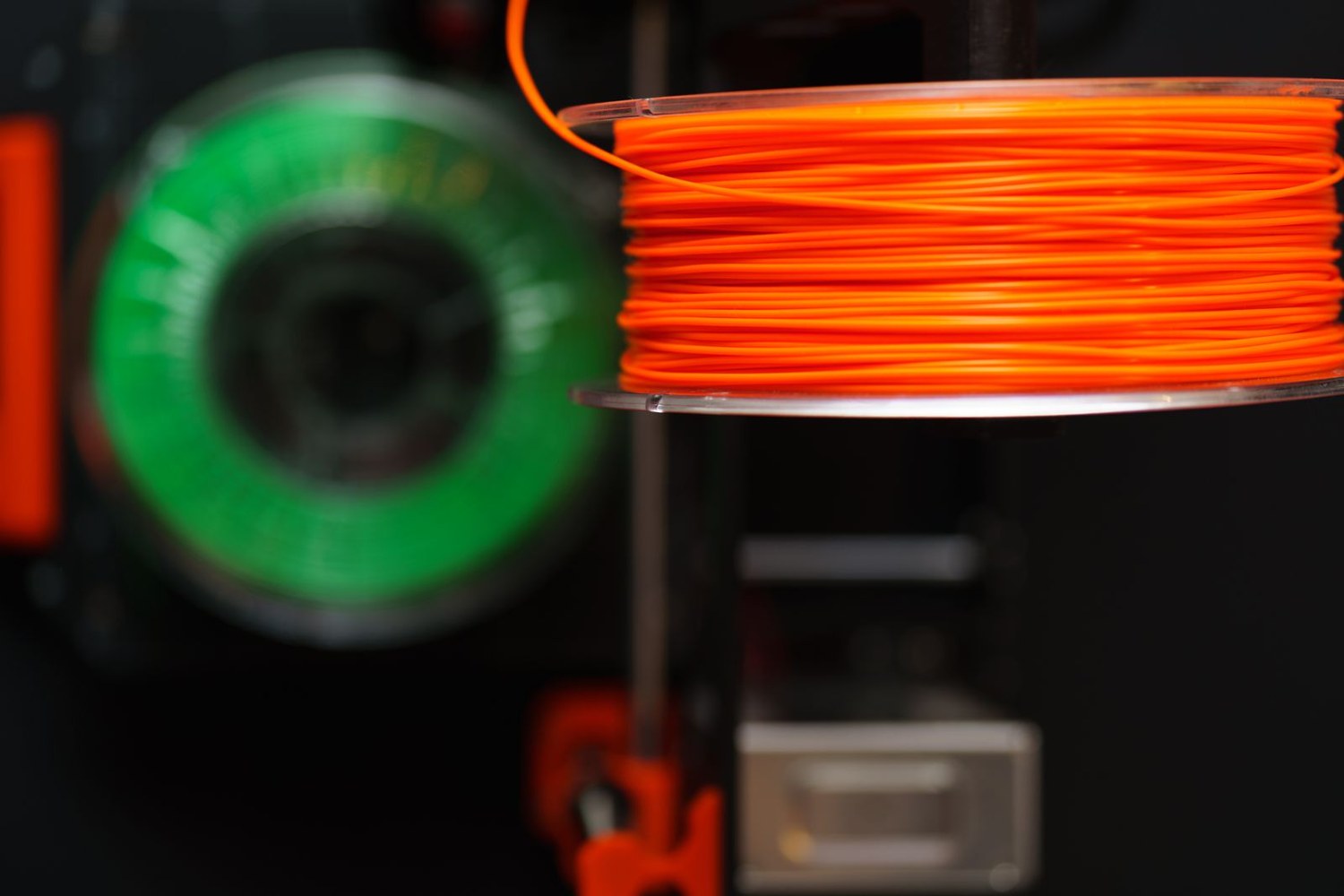
For an indoor display model, PLA and PETG can both be candidates, but the intended use matters. A stationary architectural model, a removable cover and a clip used repeatedly are different objects. List the required behaviour first: appearance, rigidity, fit, handling and the conditions of the display location. Then read the data and print guidance for the exact filament products under consideration.
Prusa describes PLA as suitable for detailed models and prototypes that do not require high resistance, while its PETG guidance describes a material commonly used for technical parts. These broad descriptions are useful starting points, not guarantees for every formulation. Additives, finishes and the printed geometry can change the result, so avoid choosing solely by the three letters on the spool.
Test the part of the model that matters
For a miniature building, make a sample with a window edge, a flat wall and a small joint. For a lid, retain the rim and the intended fastening feature. Use appropriate profiles for each material instead of forcing both through the same temperature and surface setup. Record the differences so that the comparison is fair to each material's documented workflow.
Check support cleanup and the finish you intend to apply. A material that gives an acceptable unpainted surface may respond differently to your primer or adhesive. Test those products on spare pieces with their own compatibility and safety instructions. Keep the painted sample long enough to inspect it after the specified curing period, not only while the coating is freshly applied.
Examine how the object will be handled. A display roof may be removed occasionally, while a storage-box catch is flexed every day. A sample that looks good under light pressure does not establish fatigue life or a load rating. If the object has a critical mechanical function, use an appropriate engineering process rather than extrapolating from a decorative model test.
Check the location as well as the label
Indoor use does not automatically mean mild conditions. A sunlit window, a hot vehicle during transport or proximity to a heat source can create a different environment from a shaded shelf. Read the product's temperature limitations and avoid treating a general polymer comparison as permission to place the model anywhere indoors.
Compare the full workflow: surface preparation, printing, cleanup, joining and painting. A slightly different appearance may be worth accepting if it makes the assembly more appropriate for its use. Alternatively, a static model may gain little from changing a familiar, well-documented PLA workflow simply because PETG is marketed as more functional.
Keep a small labelled sample of the chosen material and record the successful profile and finishing products. If you later change brand, formulation or colour finish, repeat the relevant checks. The decision belongs to a particular object and material product. That is more useful than a rule that all models should always be made from the same polymer.
Use the same intended finish on both candidates if the final model will be painted. Otherwise you may choose a filament for an attractive raw surface that will never be visible. Conversely, if the model will remain unpainted, compare colour uniformity across several faces rather than judging a single polished-looking side. Keep the exact comparison conditions in the notes so that the decision is understandable later.
A mixed-material assembly can be considered when different parts have different jobs, but plan its joints explicitly. A display body and a replaceable clip need not share one material simply because they belong to one model. Test the connection and label the components so that a later reprint does not substitute the wrong material by accident.
Another detail to explore
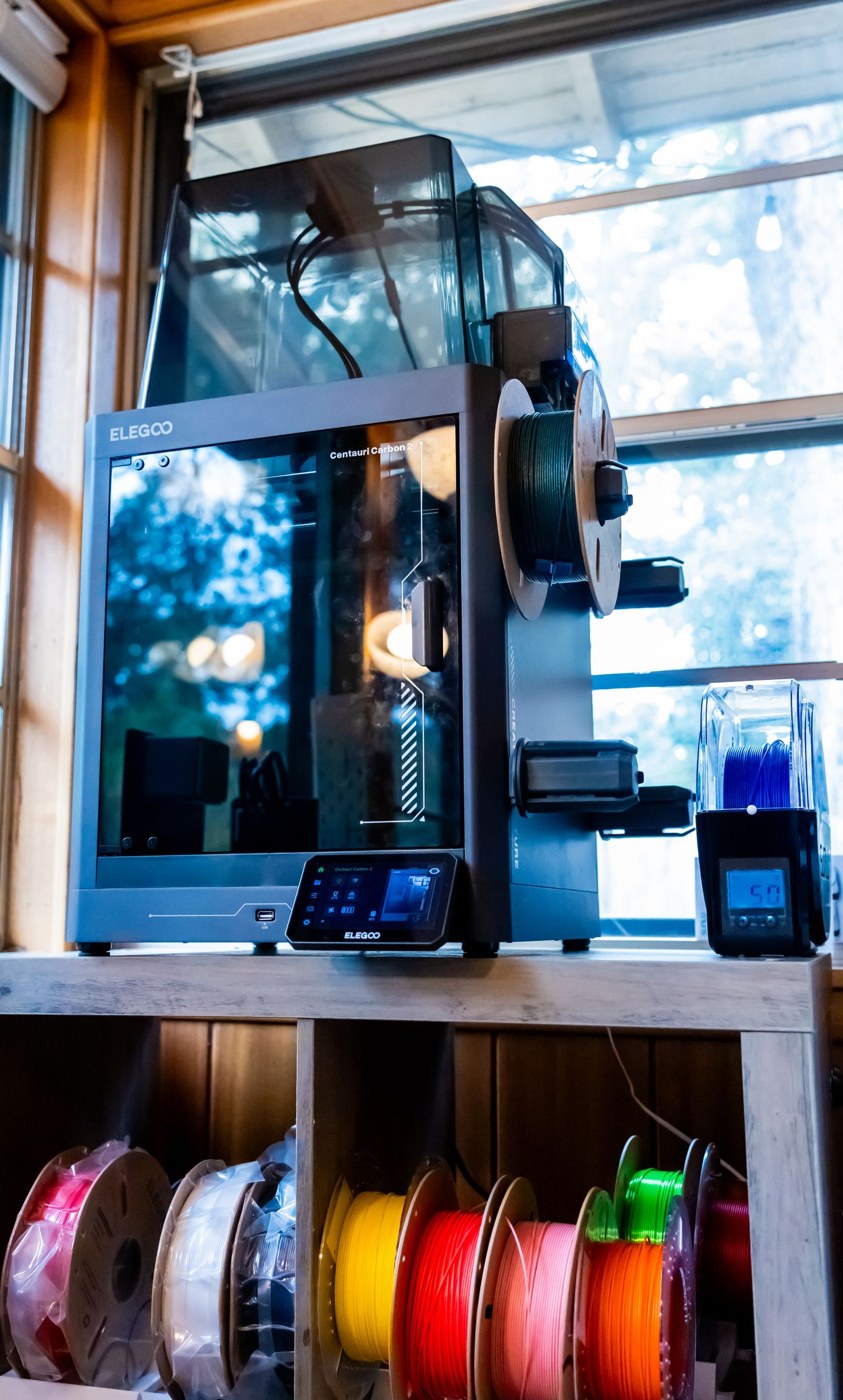
Store filament with a label you can actually use
Keep material identity, opening date and profile information with the spool through storage and use.
Read article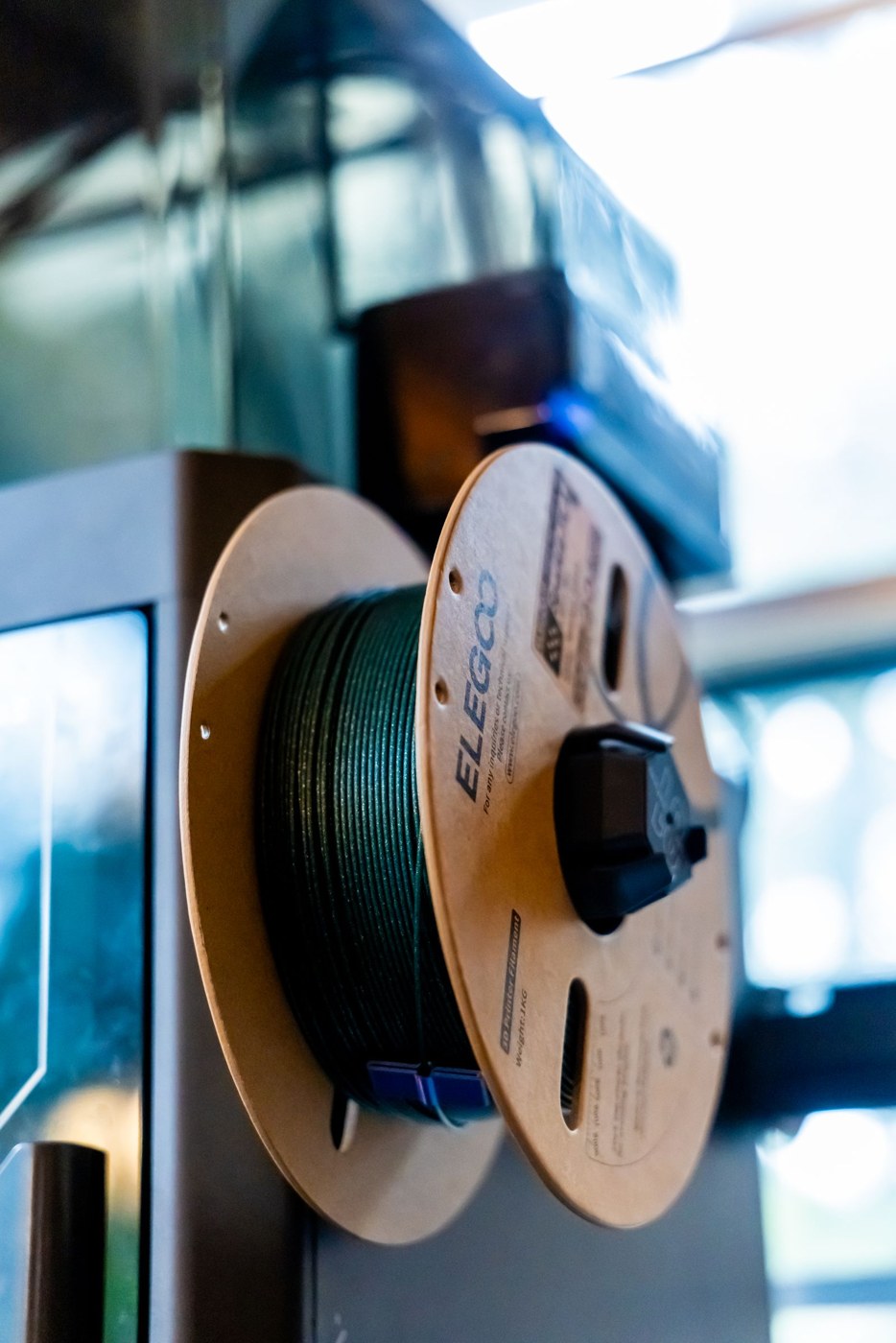
Read a filament spool label before ordering
Check compatibility, quantity and product identity before comparing filament prices.
Read article