Read a filament spool label before ordering
Check compatibility, quantity and product identity before comparing filament prices.
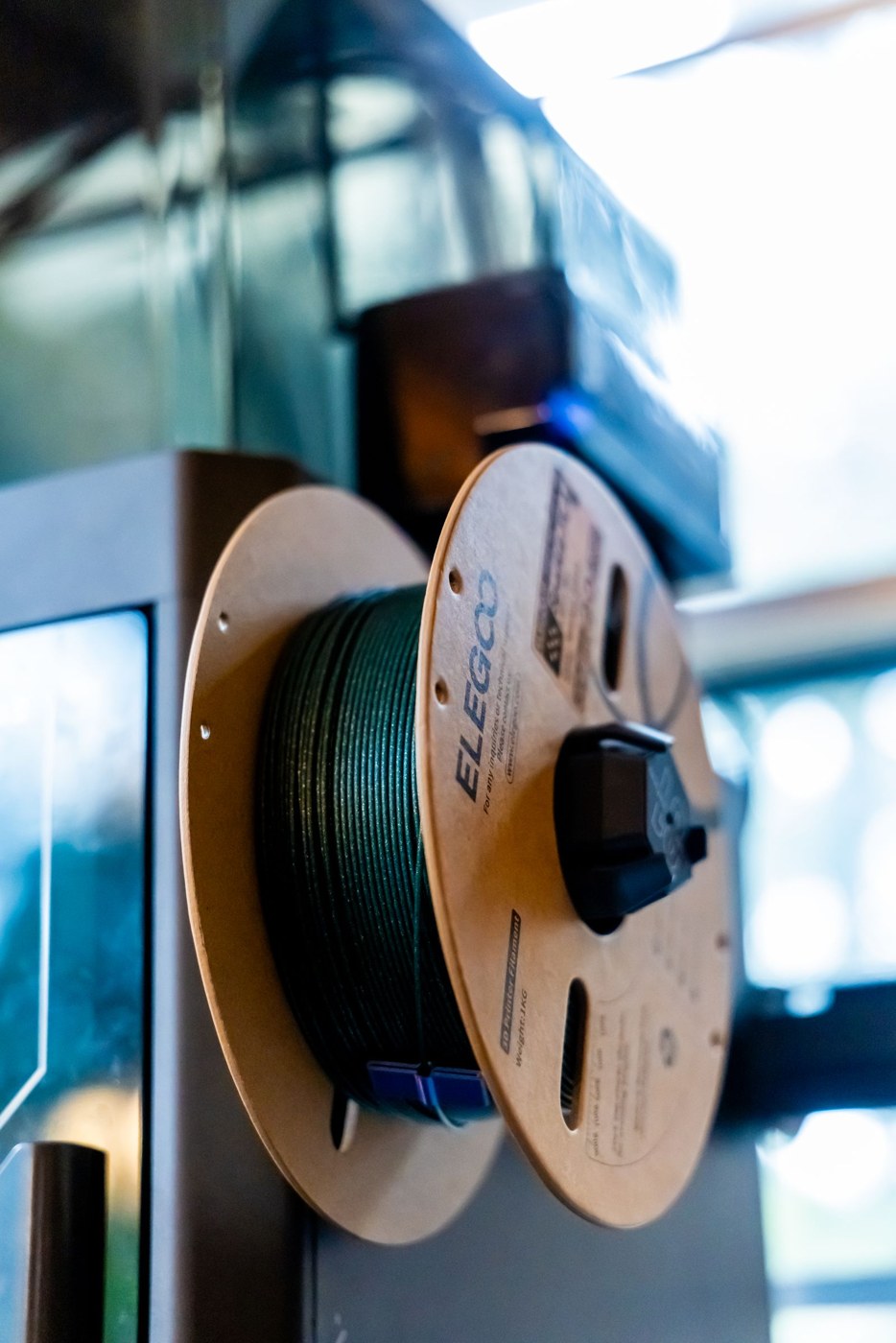
A filament listing can place colour and price prominently while leaving important compatibility information in smaller text. Before ordering, confirm the polymer, product variant and nominal diameter required by your printer. A visually similar spool is not sufficient evidence that the filament will suit the machine or the planned model.
Check whether the item is a complete spool, a refill or a short sample. A refill may require a compatible reusable spool, and a sample may arrive in a form that needs a suitable holder. Compare net filament mass rather than the packaged weight. Shipping weight includes the spool and packaging and does not describe how much material you can print.
Read the recommended equipment and processing information. Filled or abrasive products may require a suitable nozzle, while other materials have storage or environmental needs that differ from ordinary PLA. Confirm those requirements in the manufacturer's documentation instead of assuming the existing printer configuration covers every product sold in the same diameter.
Look for the exact colour code and finish, not only a descriptive name. Two products called stone grey can look different, and a matte or translucent finish can change how a model reads. If several adjacent unpainted parts must match, plan the order together and keep the batch information. A small sample under your intended display lighting is more informative than a screen swatch alone.
Check the physical spool dimensions if your storage or feeding system has restrictions. The filament may be compatible while the spool is too wide for the holder. Also review any automatic material-identification features separately from basic mechanical compatibility; a tag or chip is not the same issue as whether the spool can rotate freely.
Save the product page or order details with the project record, including the supplier's material guidance. When the parcel arrives, compare the label with what was ordered before opening every package. A short check at this point can prevent a mixed-material project or an unnecessary return complication. Price comparisons become meaningful only after you have established that the products provide the same usable quantity and meet the actual setup requirements.
Another detail to explore
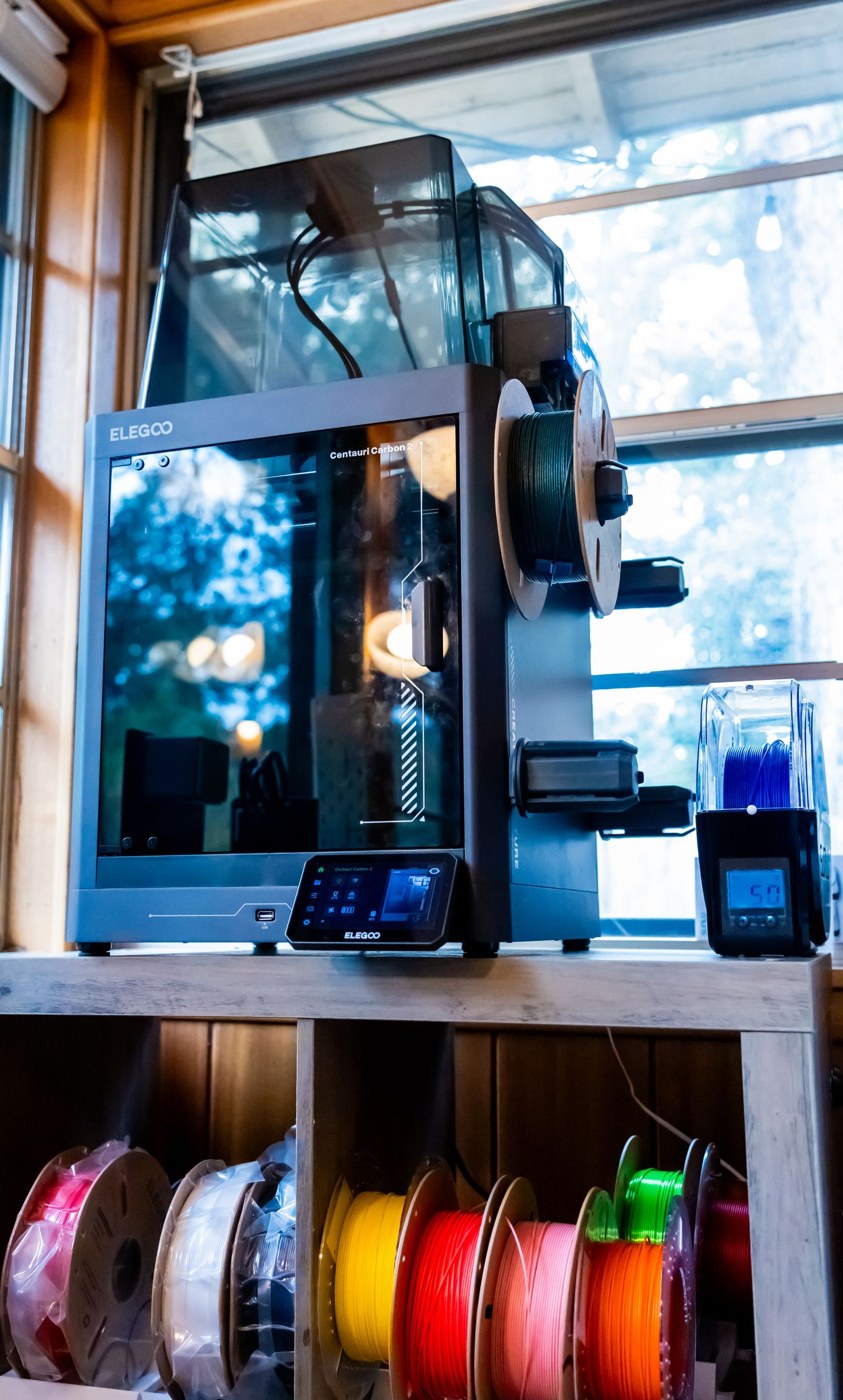
Store filament with a label you can actually use
Keep material identity, opening date and profile information with the spool through storage and use.
Read article
Choose between PLA and PETG for an indoor model
Choose material around handling, shape and finishing rather than treating one polymer as a universal upgrade.
Read article