Plan a dedicated space for resin printing
Plan the entire resin route, from unopened bottle to finished part and collected waste, before choosing a desk.
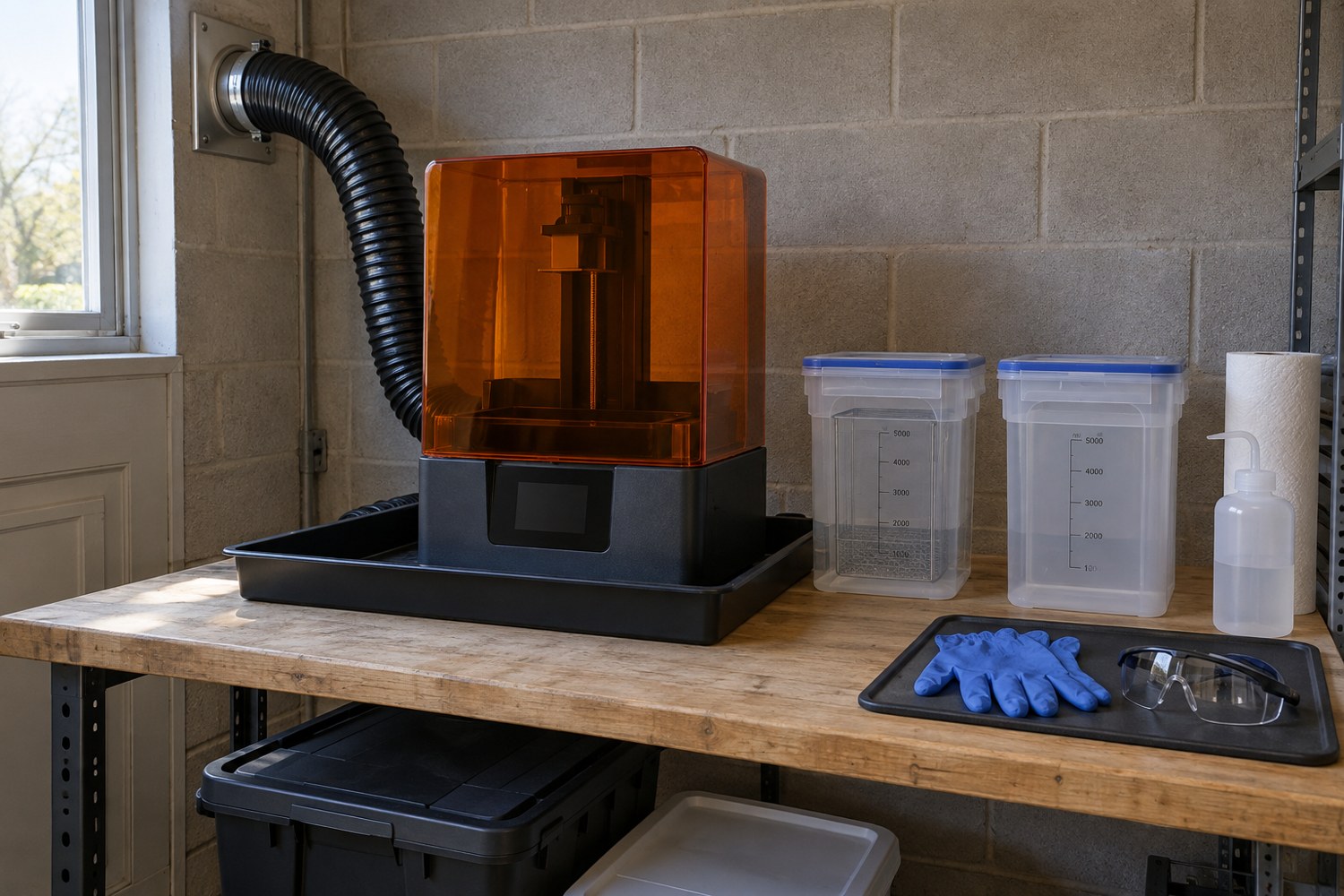
A resin printer needs more than a rectangular space for the machine. The workflow includes dispensing, part removal, washing, drying, curing, cleaning and waste storage. Sketch those activities in order before buying furniture. The most convenient place for the printer may not be a suitable place for the complete process.
Obtain the safety data sheets and operating instructions for the exact resin, washing medium and equipment. Use them to identify ventilation, protective equipment, storage and disposal requirements. Formulations differ, so a statement about one manufacturer's resin should not be applied to every product with the same colour or a similar name.
Draw a contained working route
Allocate a stable surface for the printer and a separate contained area for handling uncured parts. Plan where a wet build platform will rest and how it will reach the wash container without crossing clean tools or a keyboard. A tray can help organise drips, but its material must be compatible with the substances involved. Leave room to open covers and remove components without reaching over open liquid.
Separate clean storage from the handling zone. Keep unused gloves, paper instructions and finished parts where they will not be touched by contaminated hands or tools. Choose dedicated tools and clearly identified containers. Food containers and drinking vessels are poor choices for chemical work because their familiar purpose invites confusion.
CDC guidance warns that a resin printer's cover may not contain particles and gases released during printing. Arrange suitable exposure controls for the entire workflow, including washing and curing, rather than treating the lid or the absence of a strong smell as proof of safe air. If the room cannot support the required controls, choose another location or use a service. Do not solve a space problem by placing the setup in an unventilated cupboard.
Prepare handling and cleanup before the first pour
Select gloves, eye protection and other controls from the applicable SDS and equipment guidance. Keep replacements available so that contaminated protective equipment can be changed promptly. Plan how to operate doors, switches and clean devices without spreading resin. A written sequence beside the clean area can be easier to follow than repeatedly touching a phone during handling.
Where flammable wash solvents are used, follow their storage and ignition-control requirements. Keep containers closed when the process allows and use the approved equipment. Do not invent a generic wash recipe or assume that a solvent suitable for one resin and wash machine is suitable for another.
Decide how waste will be collected and handled under the product guidance and local arrangements before any is generated. Include contaminated wipes, gloves, failed parts and spent washing liquid. Never pour resin-contaminated liquid into a sink as a routine cleanup method. Keep waste identified and separated from ordinary project storage while awaiting the appropriate disposal route.
Finally, rehearse the movements with empty equipment: remove a platform, place it in the tray, reach the wash station and return tools to their locations. Check whether the layout requires crossing clean and contaminated zones. This rehearsal tests organisation, not chemical safety, but it can reveal awkward reaches before liquid is involved. A workable resin area is one in which every stage has a place and a documented procedure, including the less attractive tasks after the print is finished.
Include access control in the layout. A work area that is suitable while an informed adult is using it may be unsuitable when children, pets or visitors can reach open supplies. Store materials and contaminated equipment according to their instructions, and make the boundary between the work area and ordinary household activity clear. Do not rely on a handwritten label alone to prevent someone from opening an unfamiliar container.
Create a short inventory before the first session: resin identity, wash medium, compatible containers, required protective equipment, cleanup supplies and the waste route. Put the document where it can be read without touching a contaminated surface. Missing one of these items should pause the operation before pouring begins, rather than prompting a hurried search while an uncured part is waiting on the bench.
Plan for an interrupted job as well as a successful one. Decide where an incomplete print or a platform awaiting cleaning can remain under the manufacturer's permitted conditions, and how its status will be recorded. Avoid leaving a wet component in an unlabelled tray for the next person to interpret. The workspace should make an unfinished state conspicuous and keep it separate from parts that are ready for ordinary model assembly.
Another detail to explore
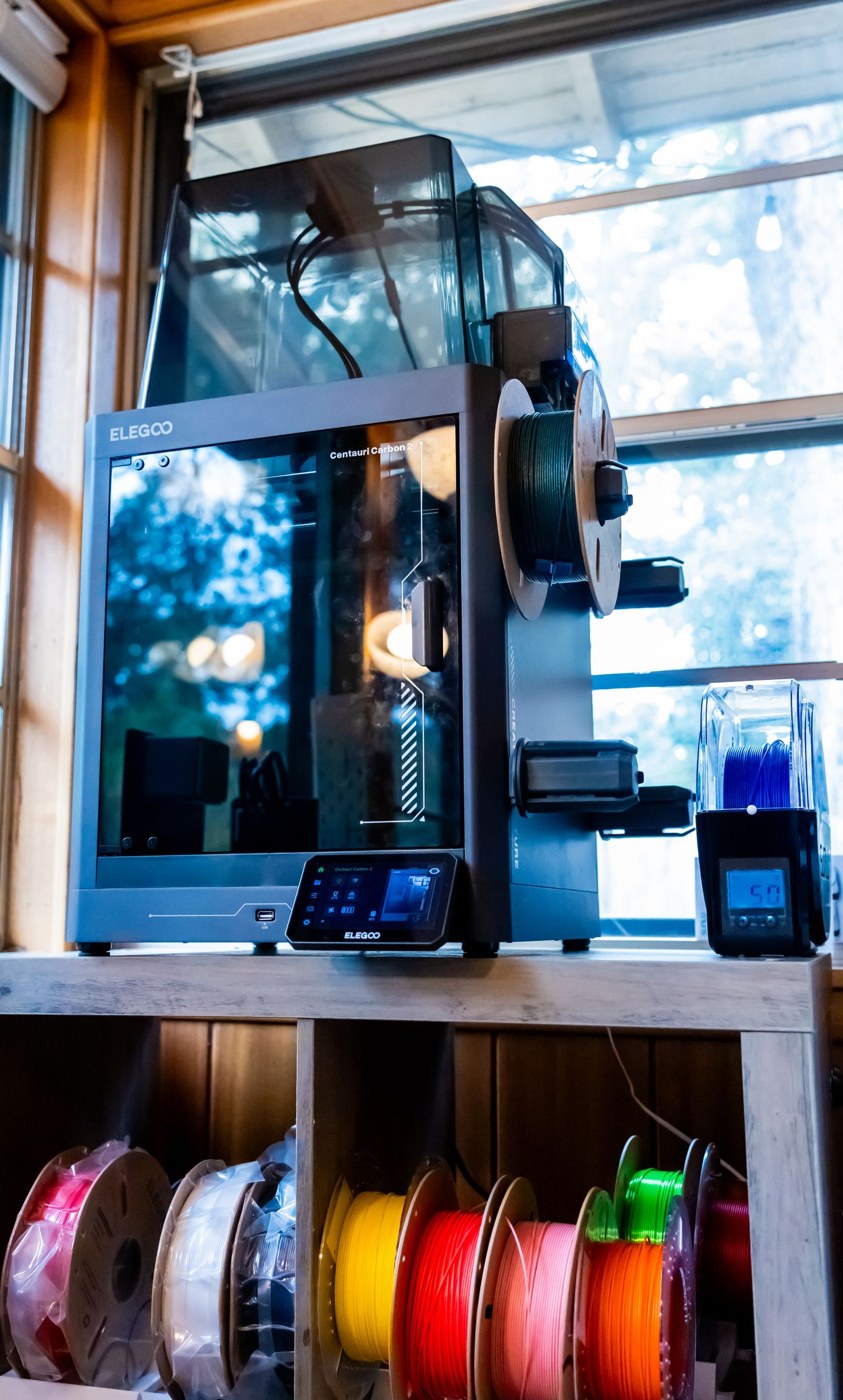
Store filament with a label you can actually use
Keep material identity, opening date and profile information with the spool through storage and use.
Read article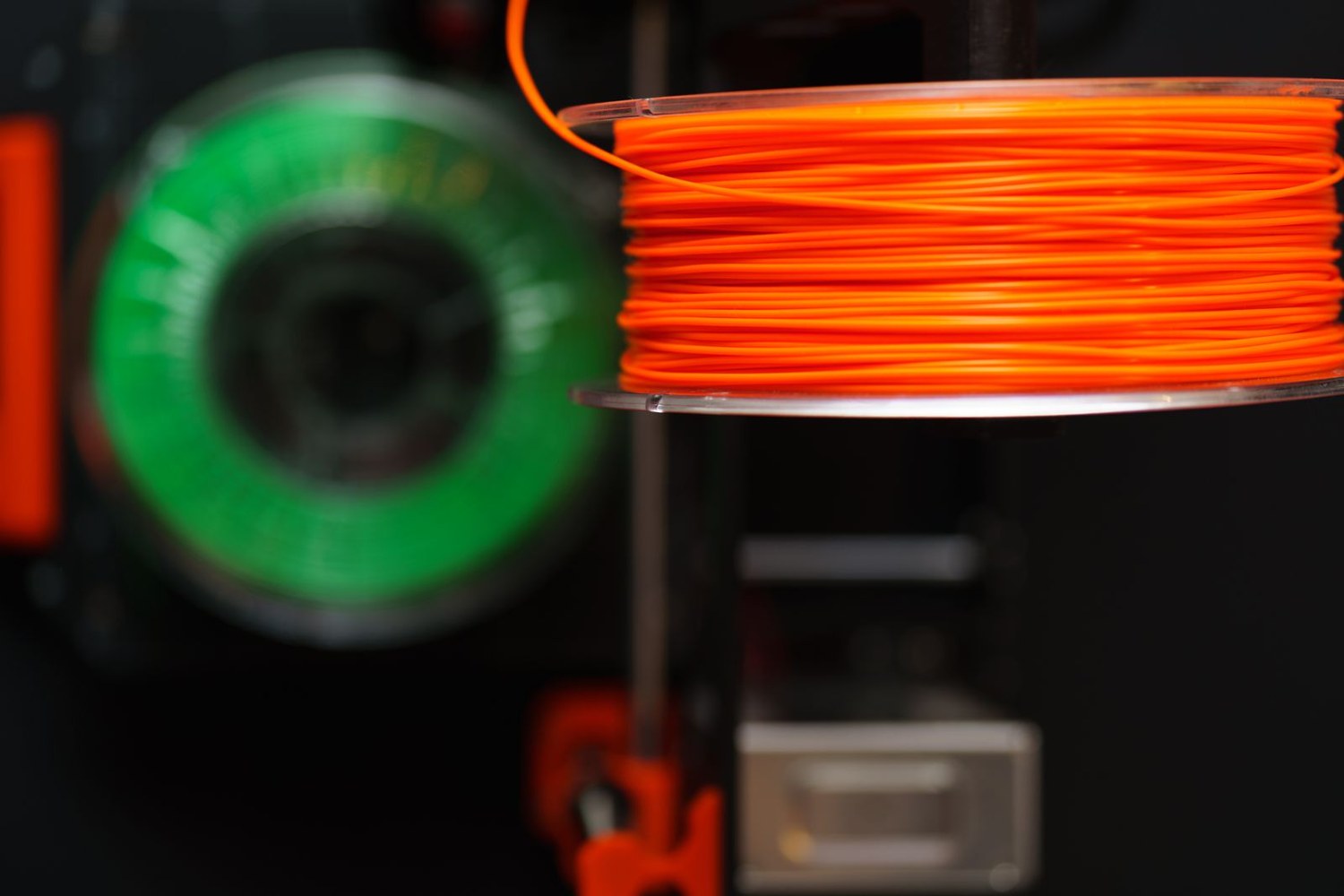
Choose between PLA and PETG for an indoor model
Choose material around handling, shape and finishing rather than treating one polymer as a universal upgrade.
Read article