Display & photography
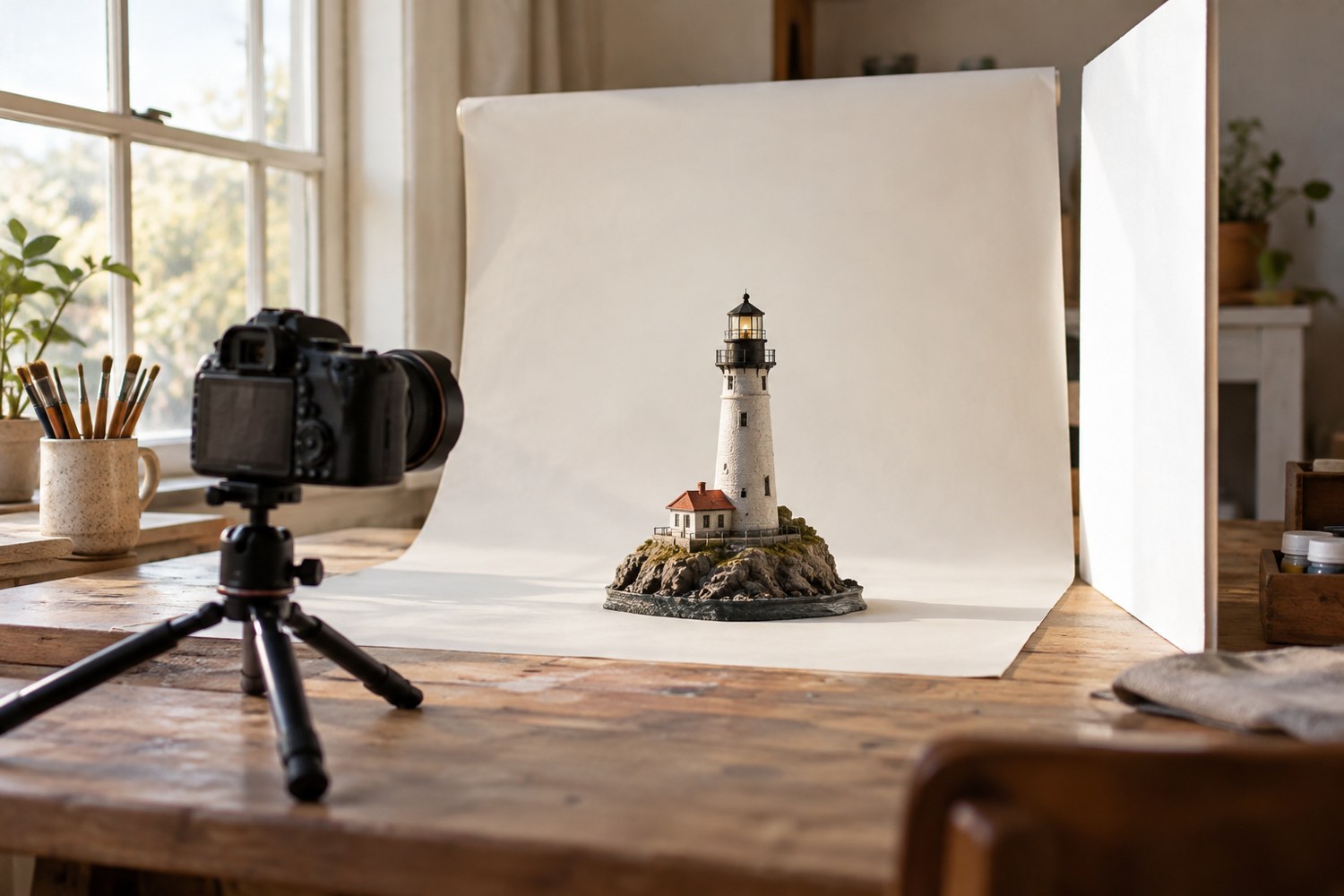
Photograph a miniature with a simple window-light setup
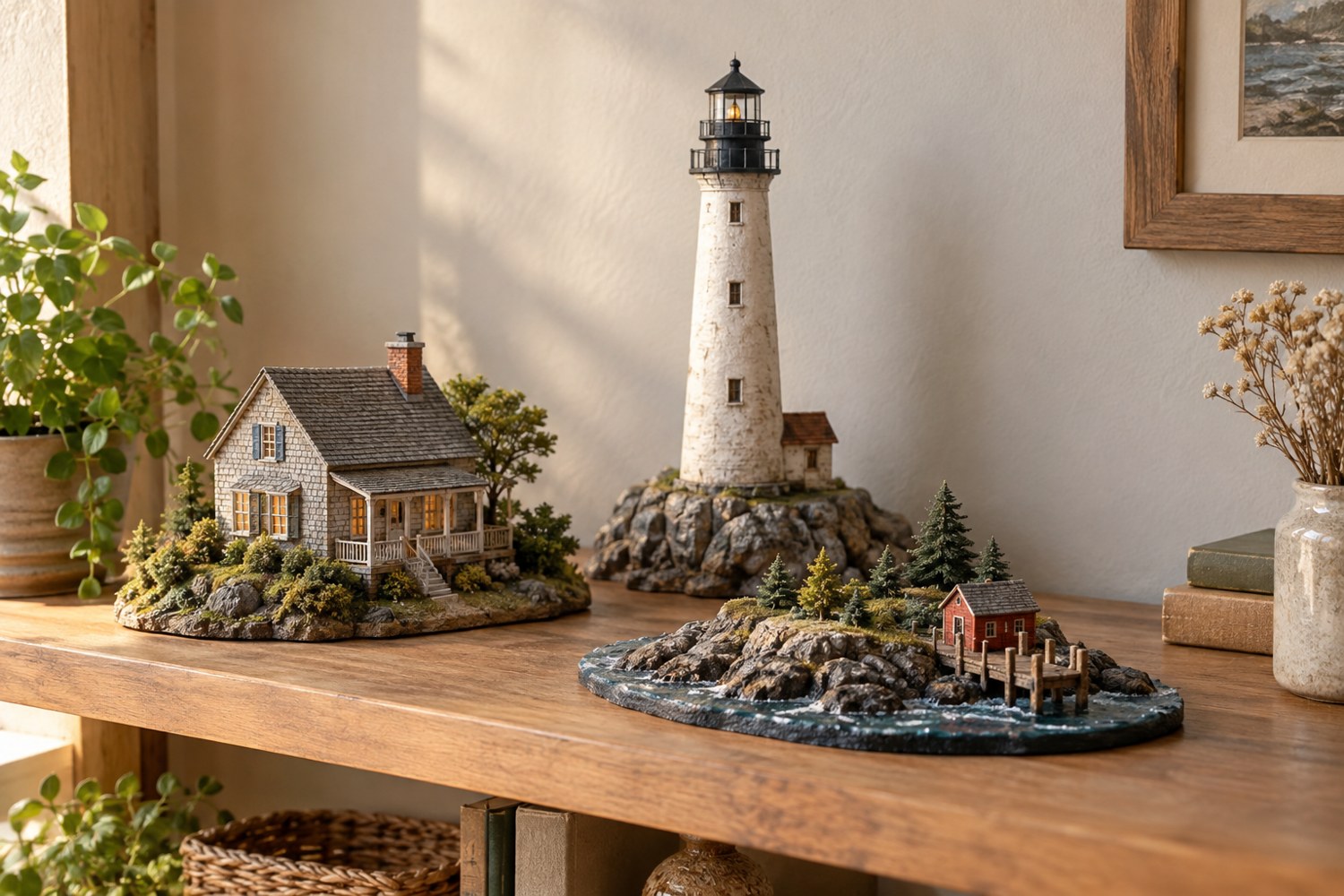
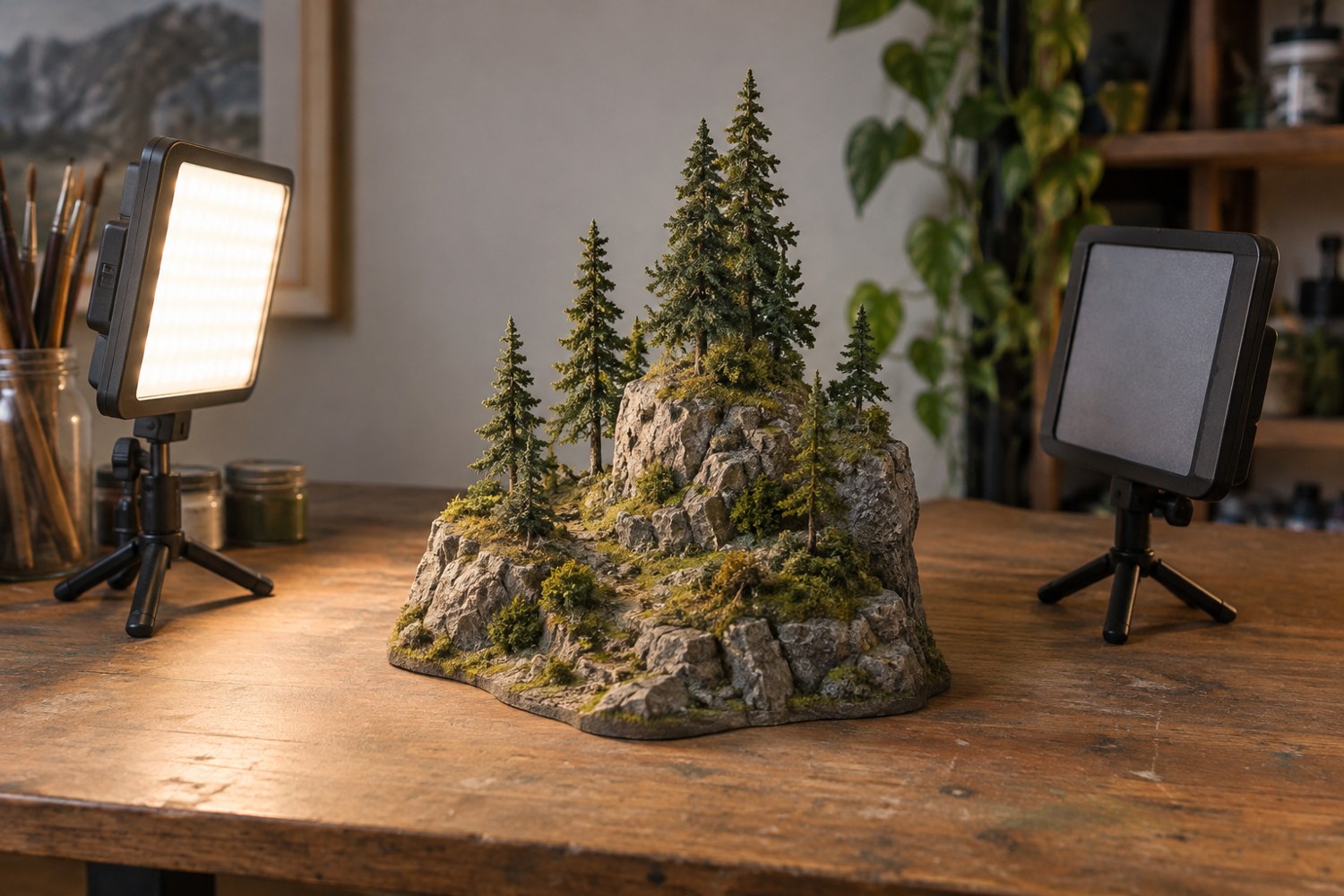
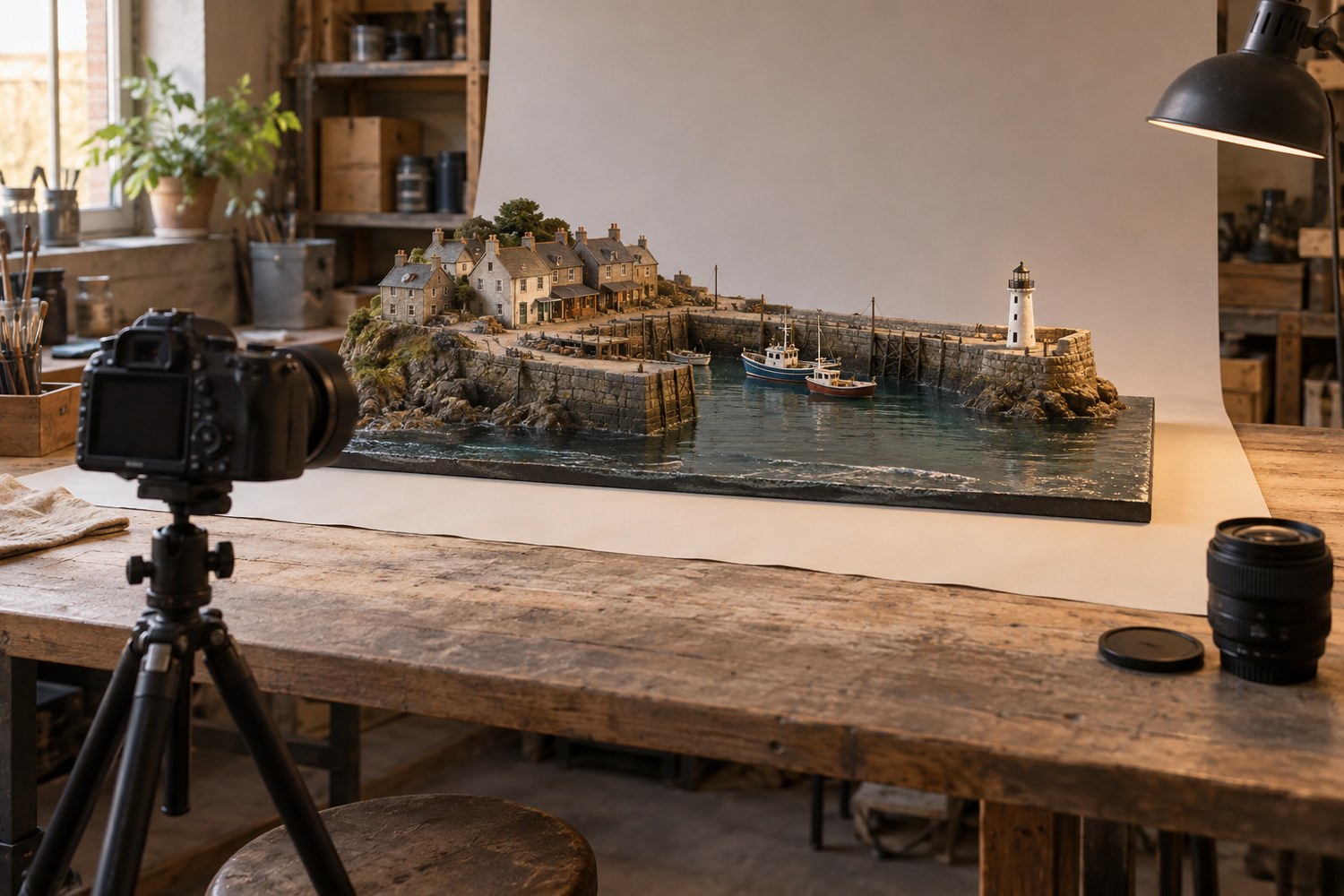
Use a stable model position, indirect window light and a simple reflector to make small forms readable in photographs.
Read articlePhotograph, protect and share the finished piece.
14 articles
Ideas, decisions & making notesUse a stable model position, indirect window light and a simple reflector to make small forms readable in photographs.
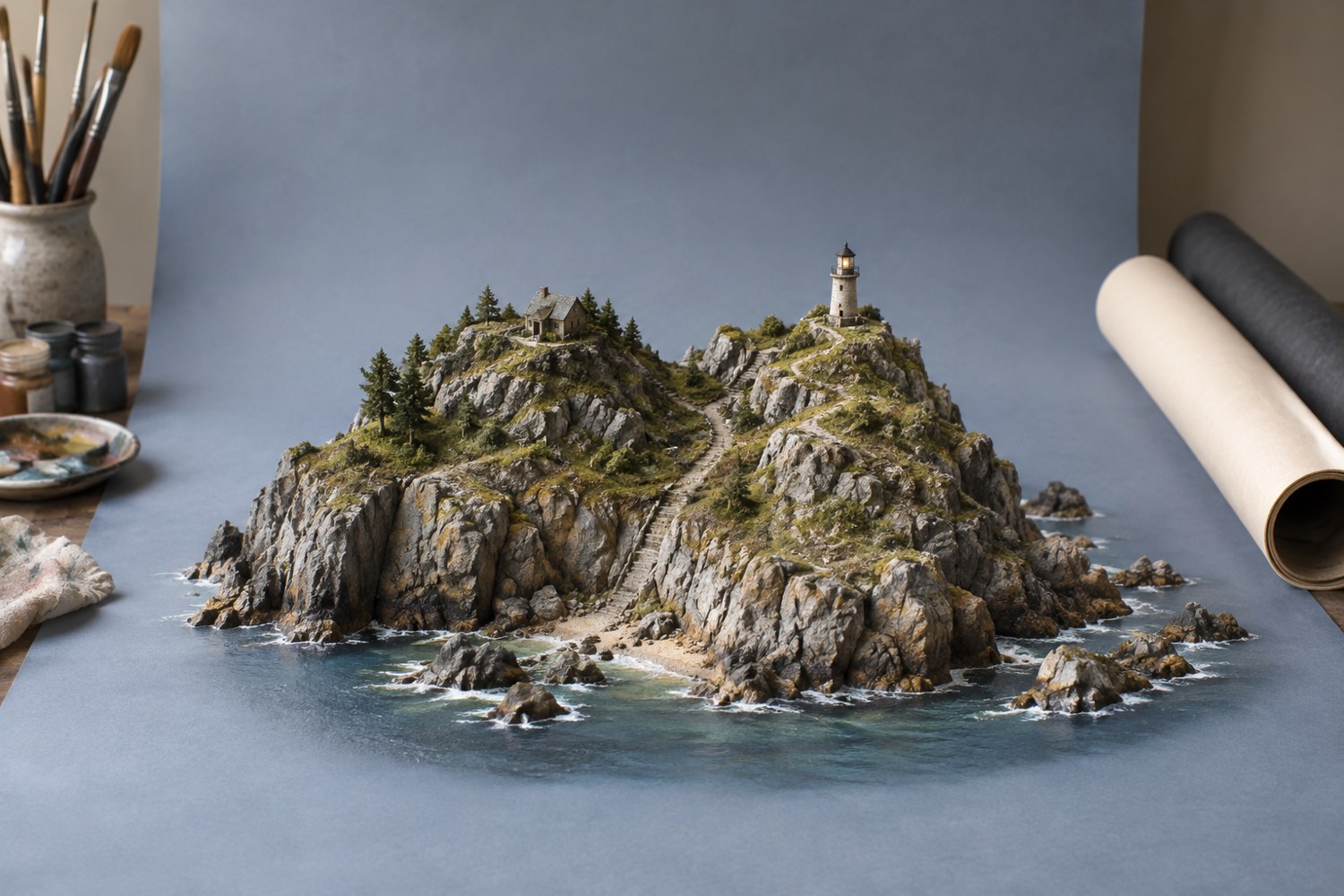
Read articleChoose a background that separates the model's silhouette and supports its colours without becoming a second subject.
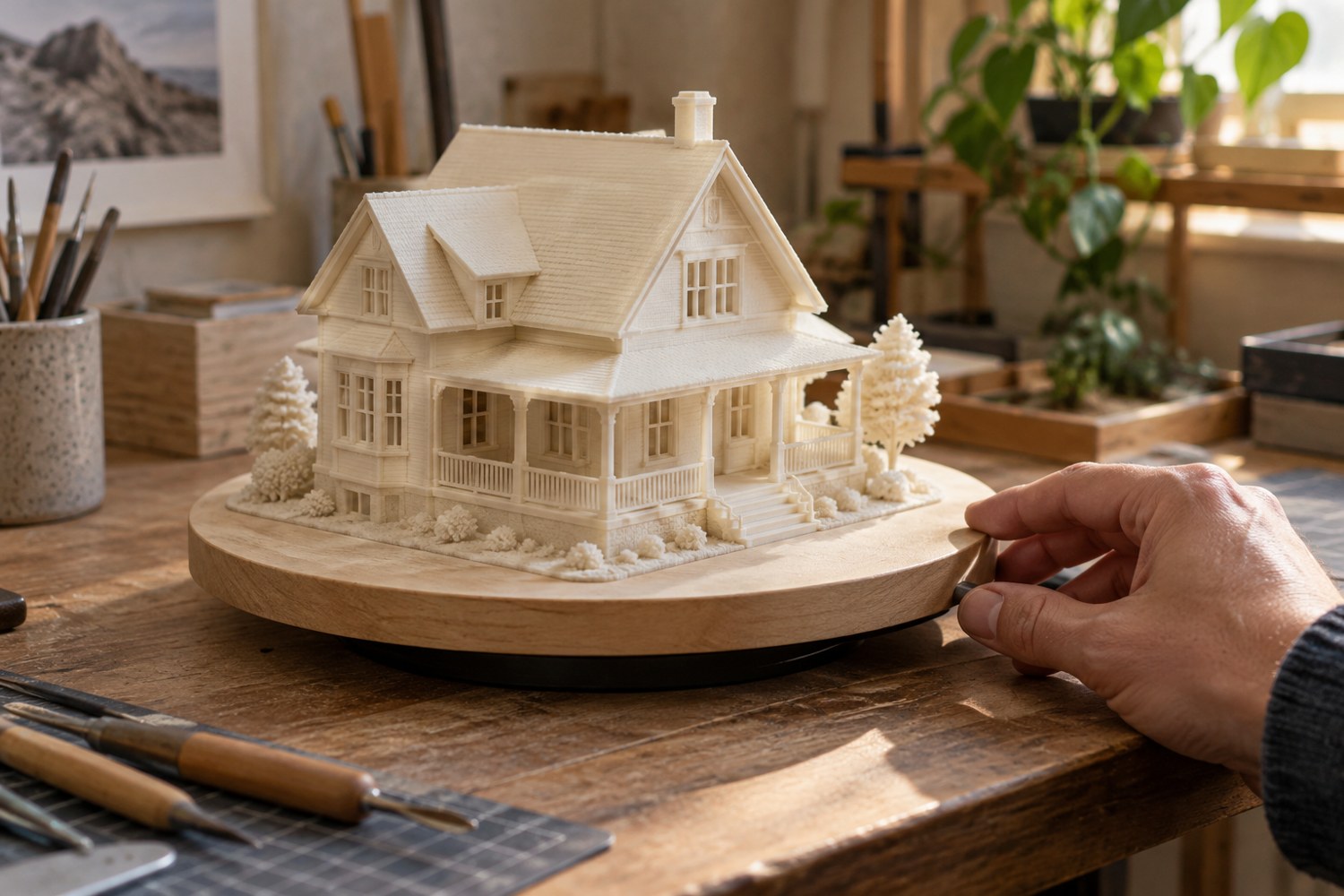
Read articleUse a stable turntable to inspect changing reflections and silhouettes, with the model supported by its base.
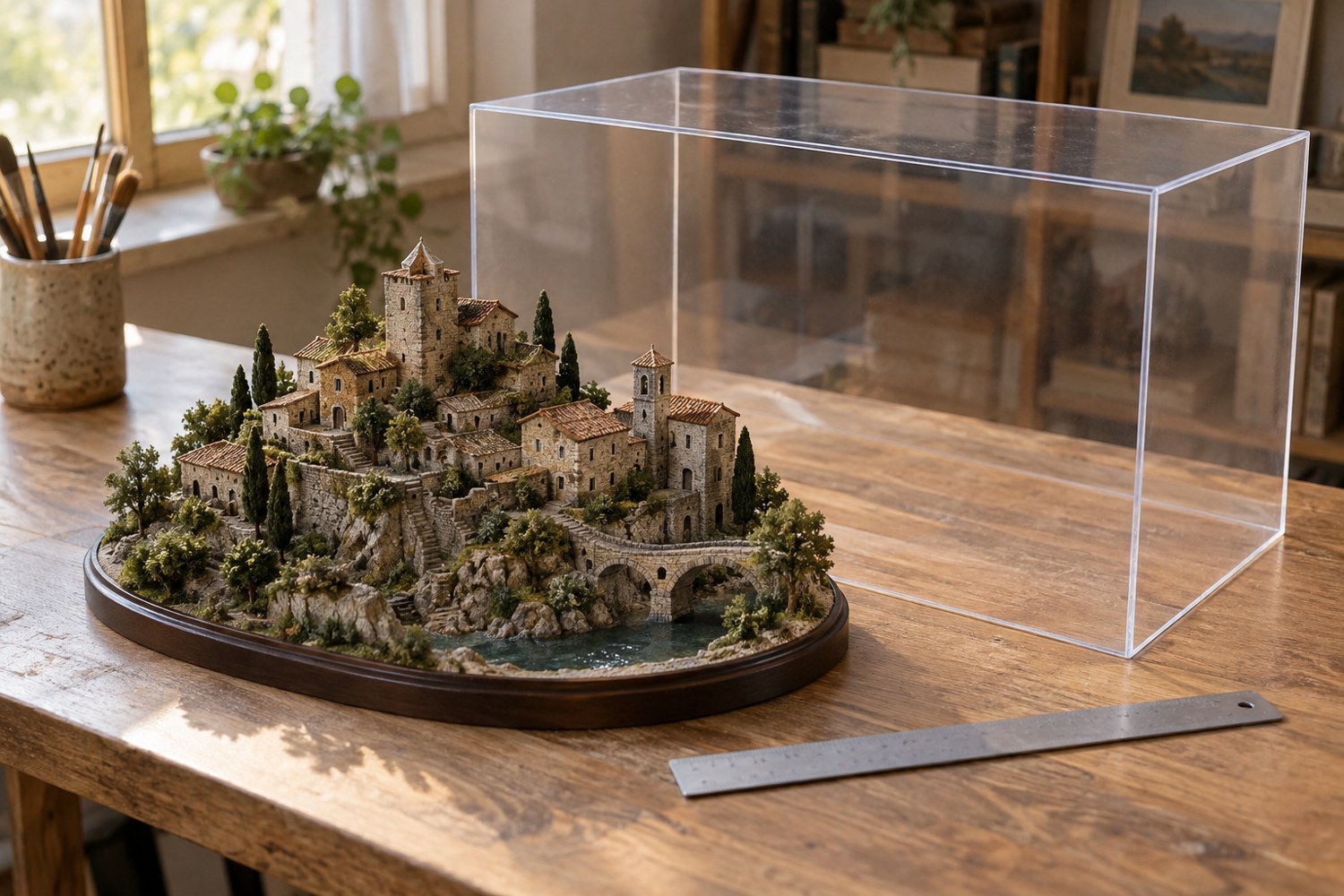
Read articleMeasure the model's full envelope and rehearse cover removal before ordering or building a dust cover.
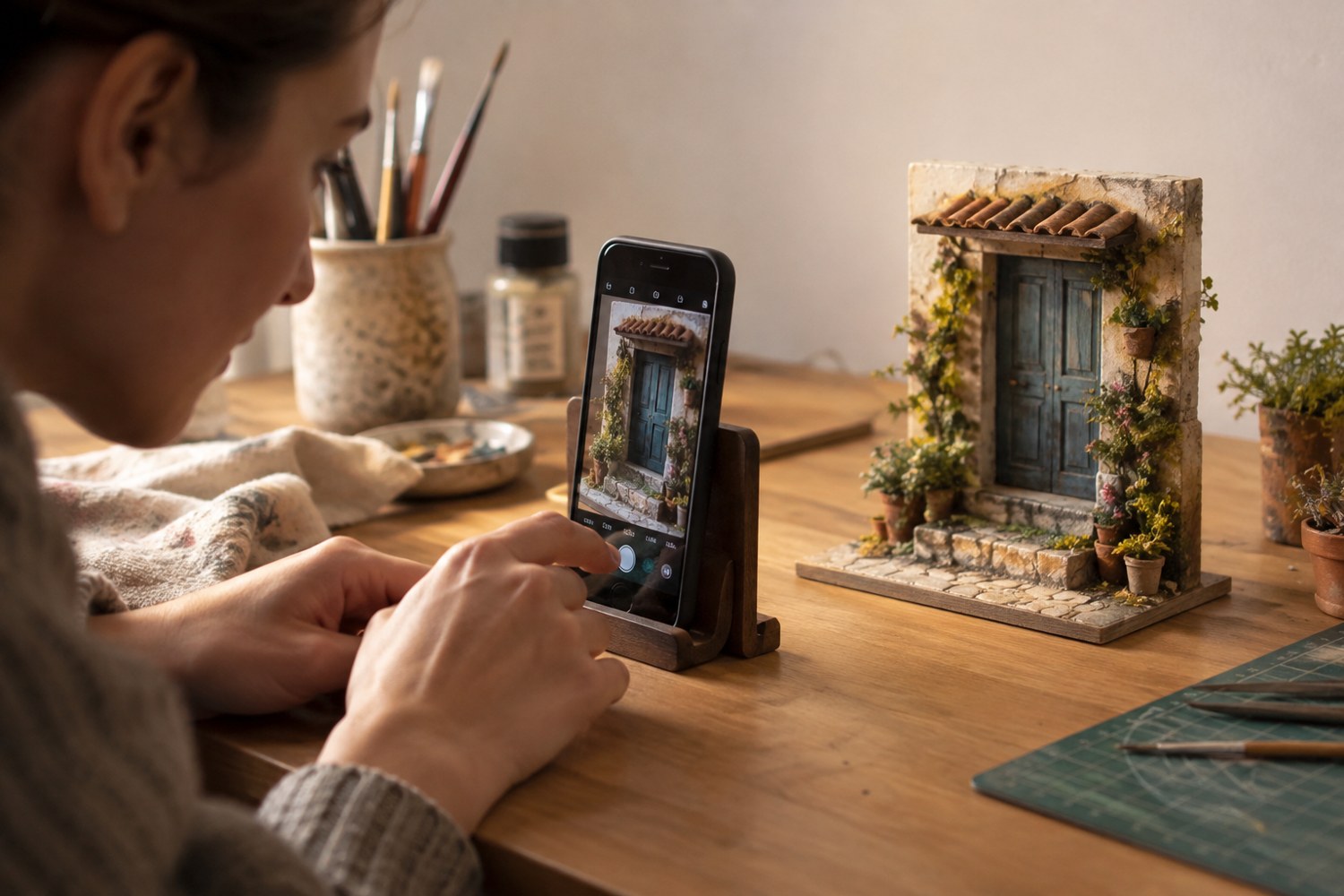
Read articleImprove phone detail photographs with stable support, correct focus distance and light that reveals the surface.
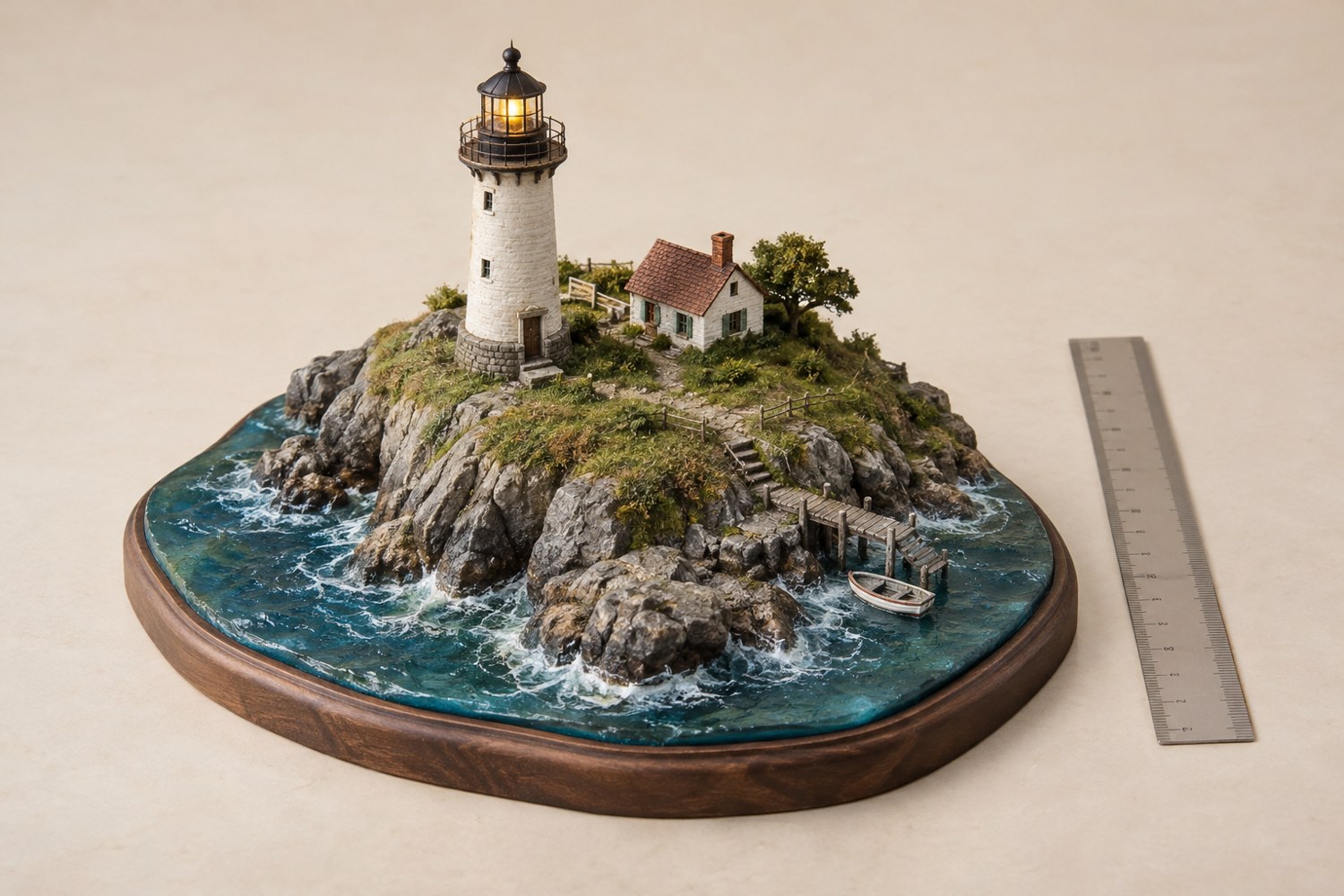
Read articleUse a separate reference view or a simple dimensional caption to communicate model size without overwhelming the main photograph.
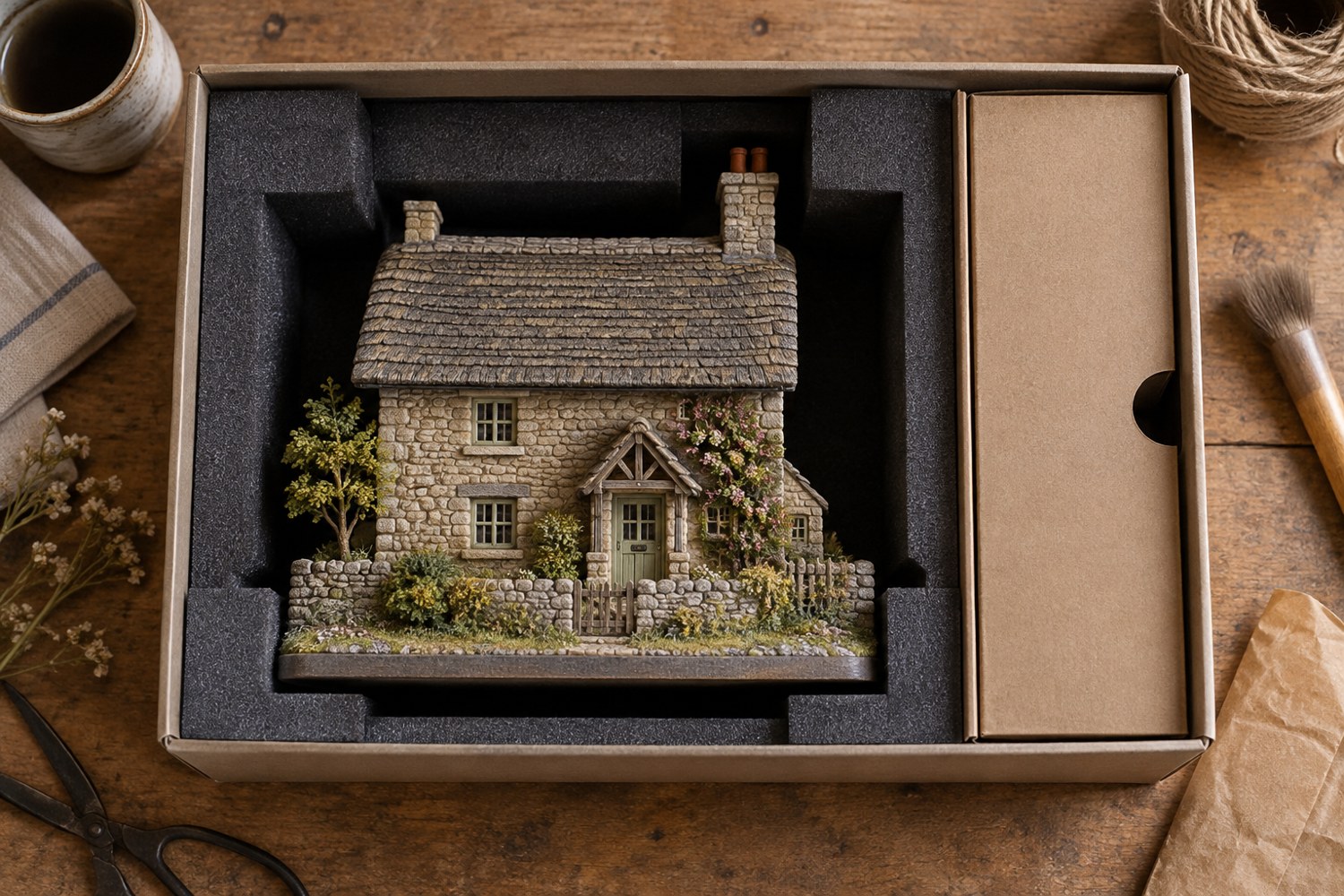
Read articlePack a miniature around its strongest surfaces and keep removable details from touching one another during a local journey.
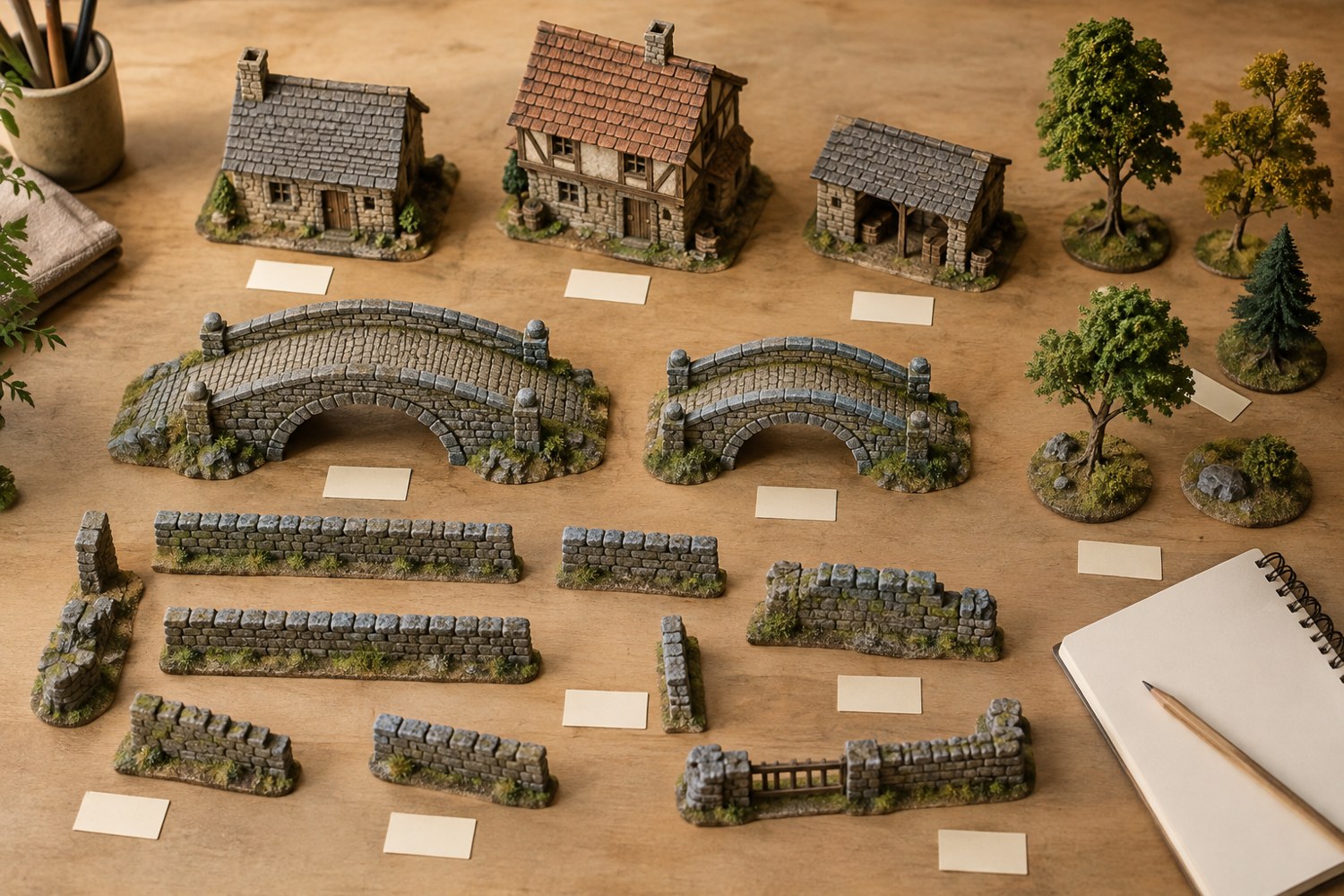
Read articleRecord terrain by stable identifiers, useful dimensions and storage locations so the collection remains easy to assemble and maintain.
Read articleArrange shelf groups around sightlines, access and the actual load limits before using risers to change model heights.
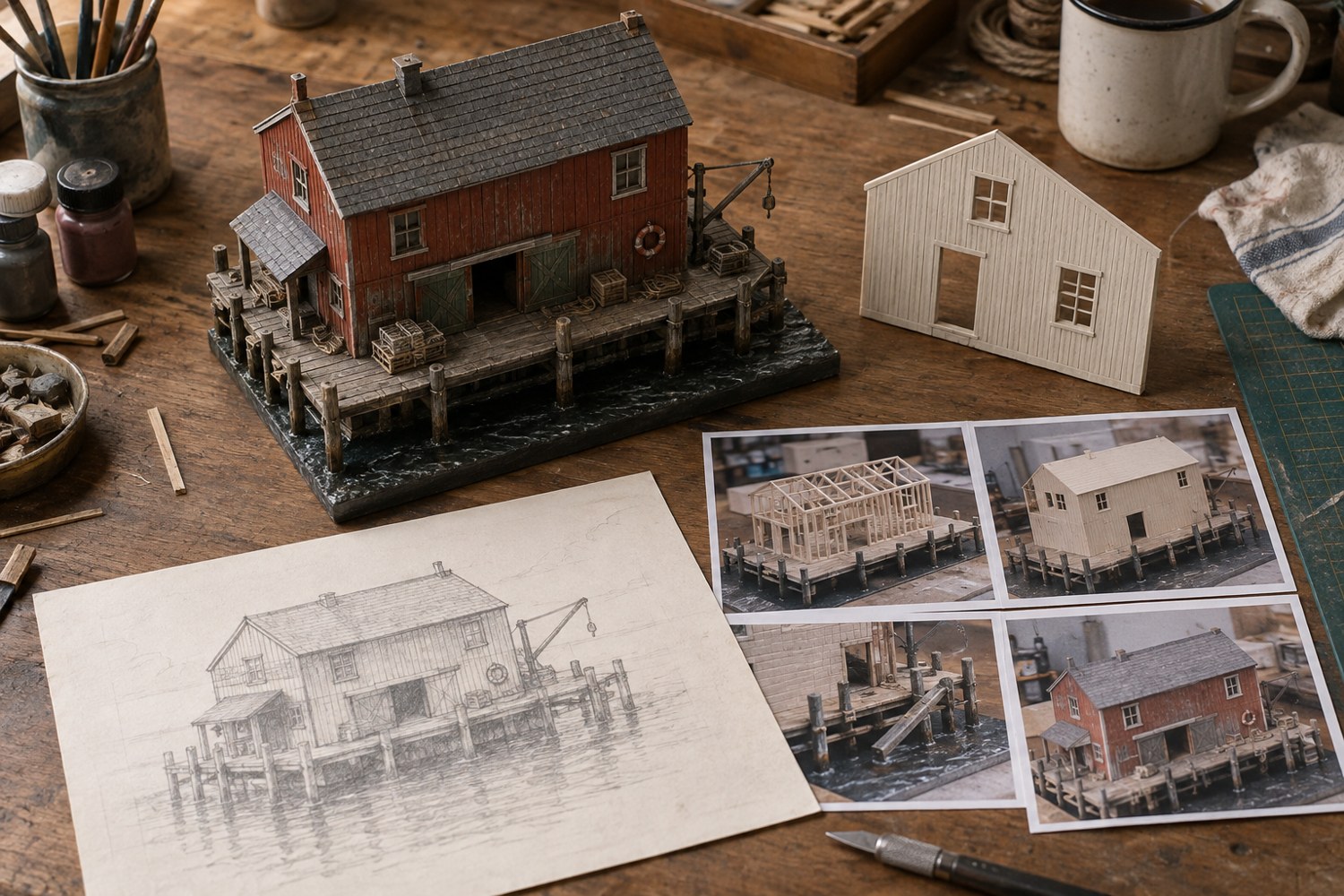
Read articleSelect process images that explain decisions, revisions and construction rather than presenting an unstructured record of every work session.
Read articleCompare light direction while keeping the camera and model fixed so you can see which position reveals the painted form.
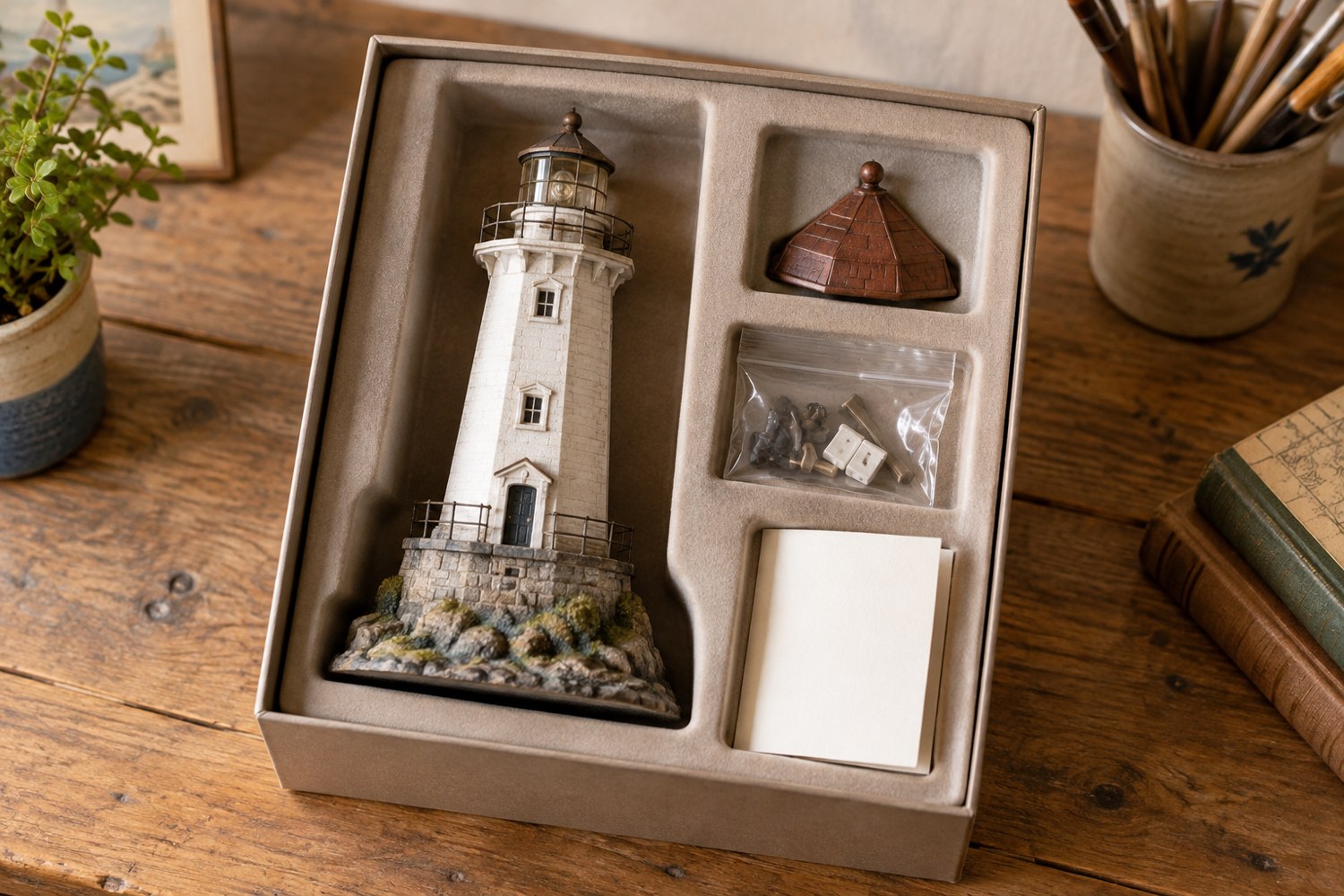
Read articleGive the recipient a clear parts list, handling method and reassembly reference when a model leaves your workspace.
Read articleCapture the whole object first, then work towards details while keeping the model's orientation and lighting understandable.
Read articleWrite captions that identify the model, explain the visible stage and distinguish your contribution from the underlying design.
Read articleNo articles match. Try a shorter phrase or another subject.