Terrain & miniature worlds
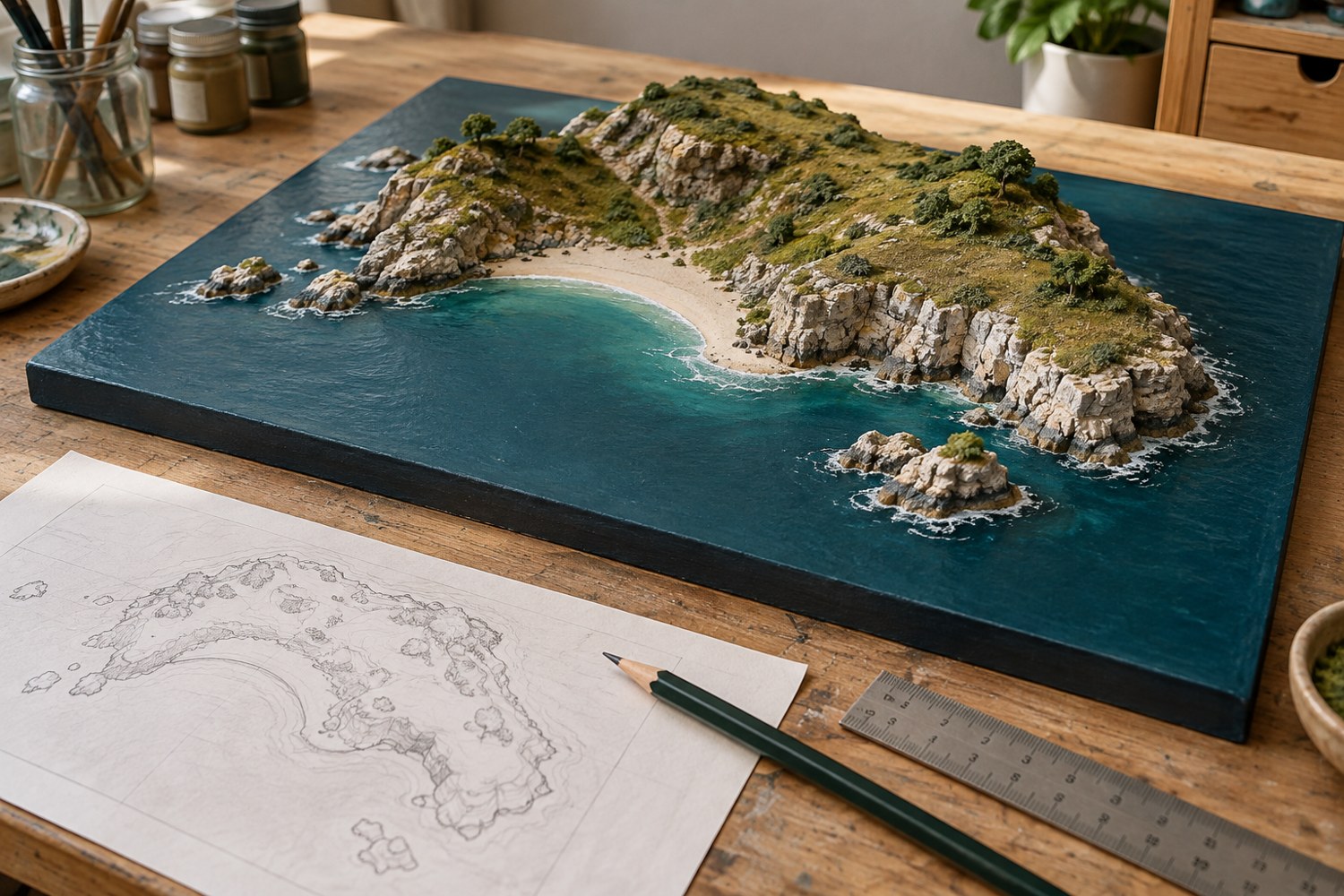
Plan an island diorama before building the coastline
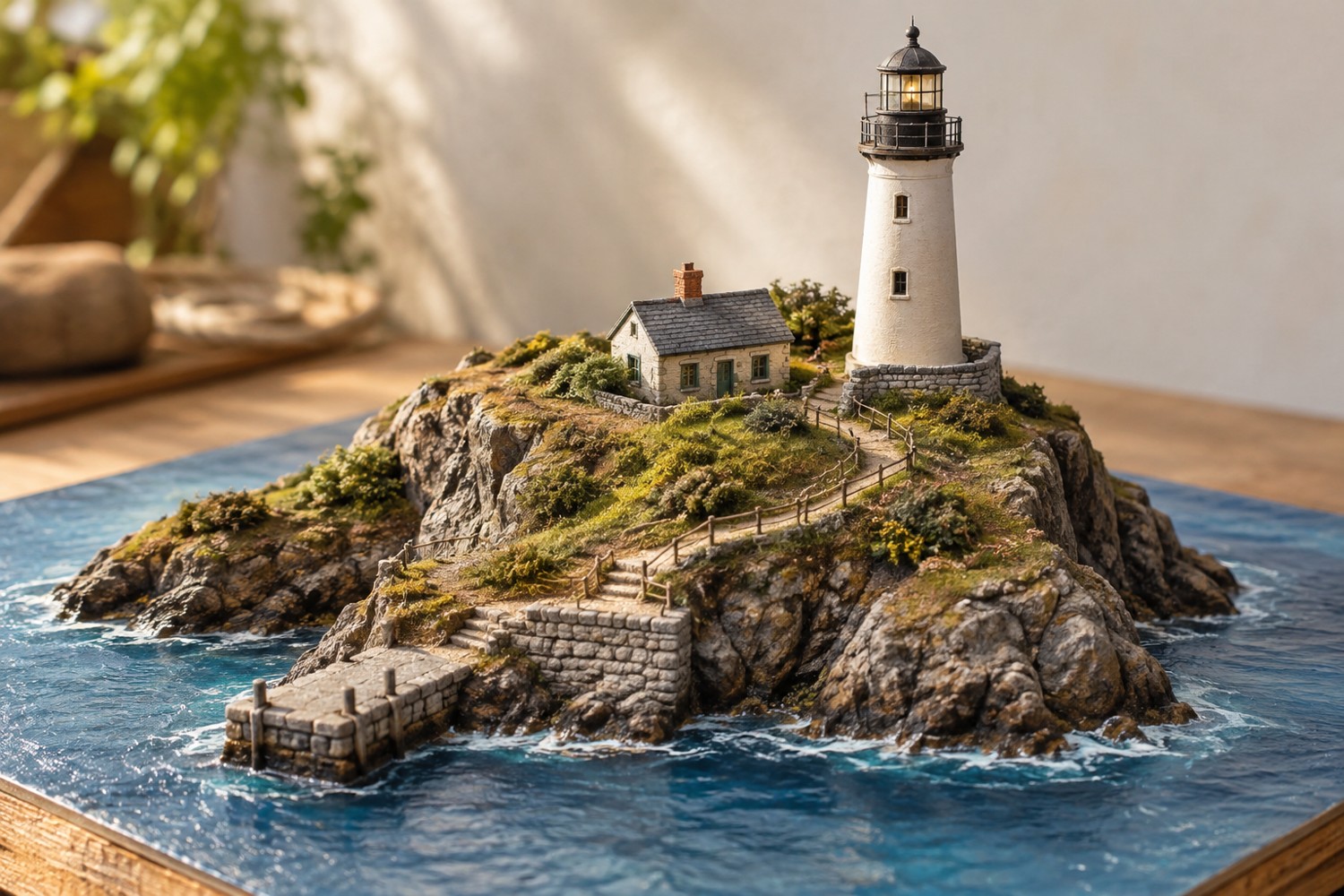
Turn an island idea into a buildable composition by deciding the viewing angle, scale, shoreline and assembly order on paper first.
Read articleShape coastlines, buildings and small landscapes.
24 articles
Ideas, decisions & making notesTurn an island idea into a buildable composition by deciding the viewing angle, scale, shoreline and assembly order on paper first.
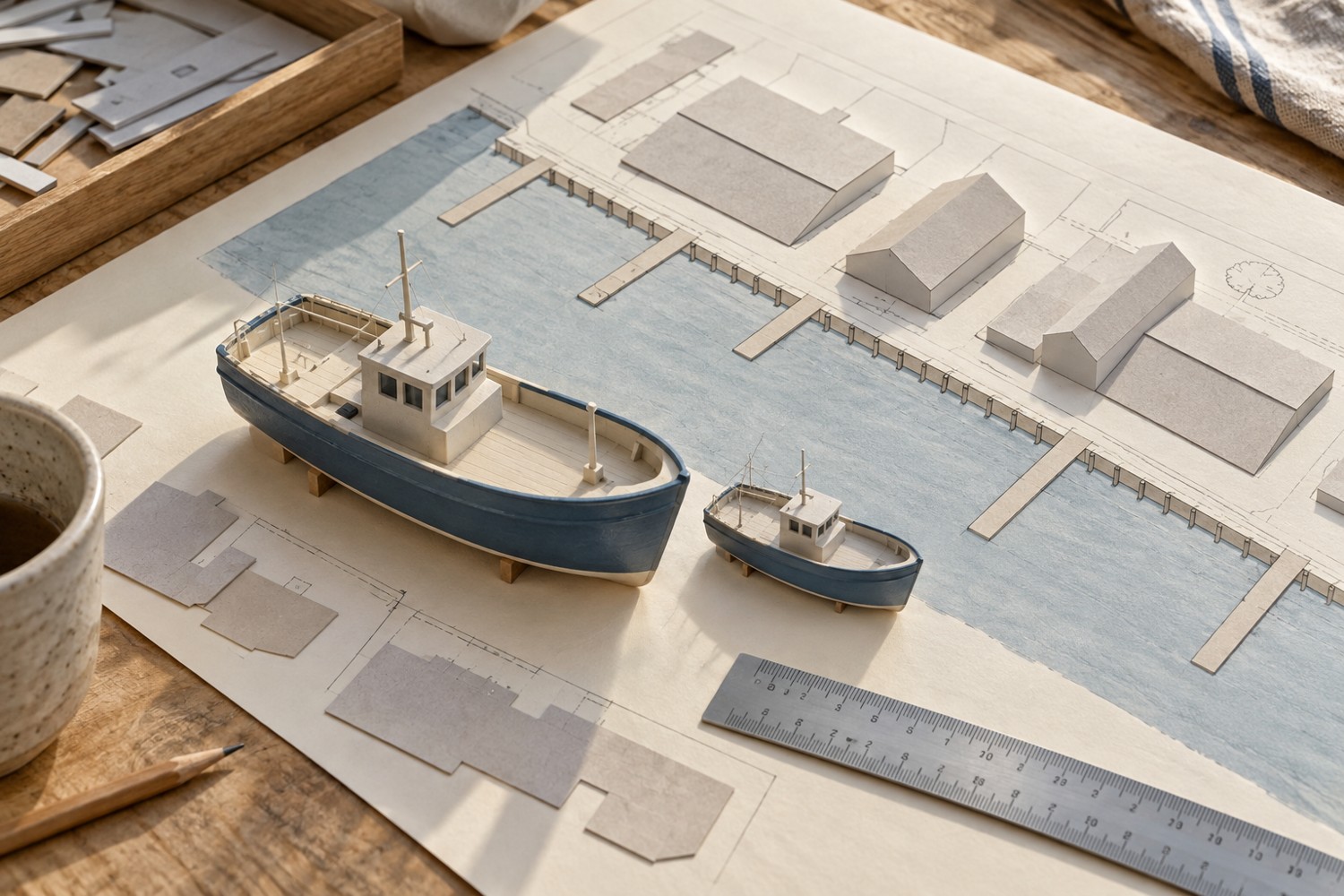
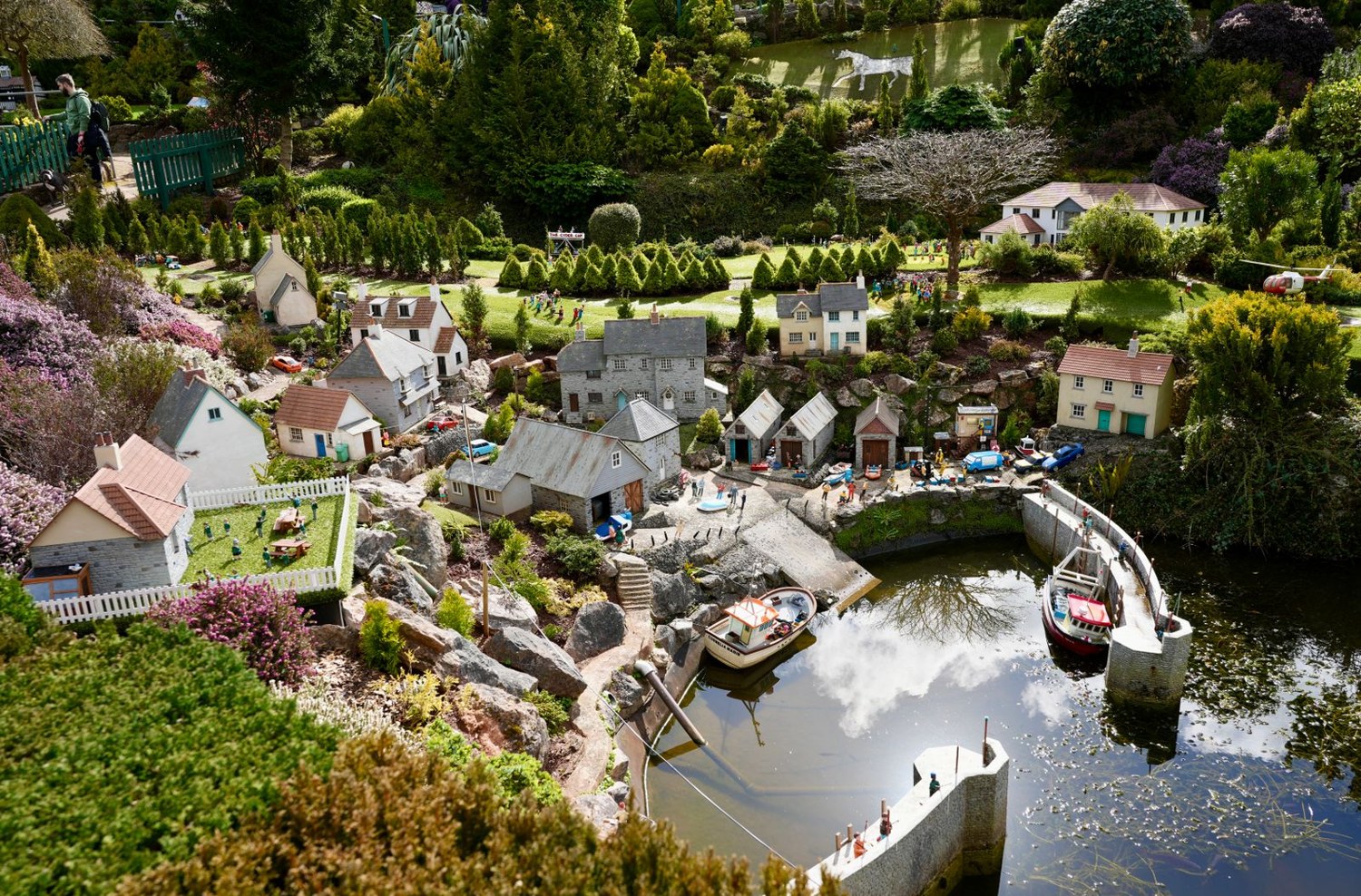
Read articleUse the largest boat and the available footprint to choose a harbour scale before buying buildings and fittings.
Read articleSeparate foreground, middle distance and skyline with overlapping forms that remain clear from the intended viewing angle.
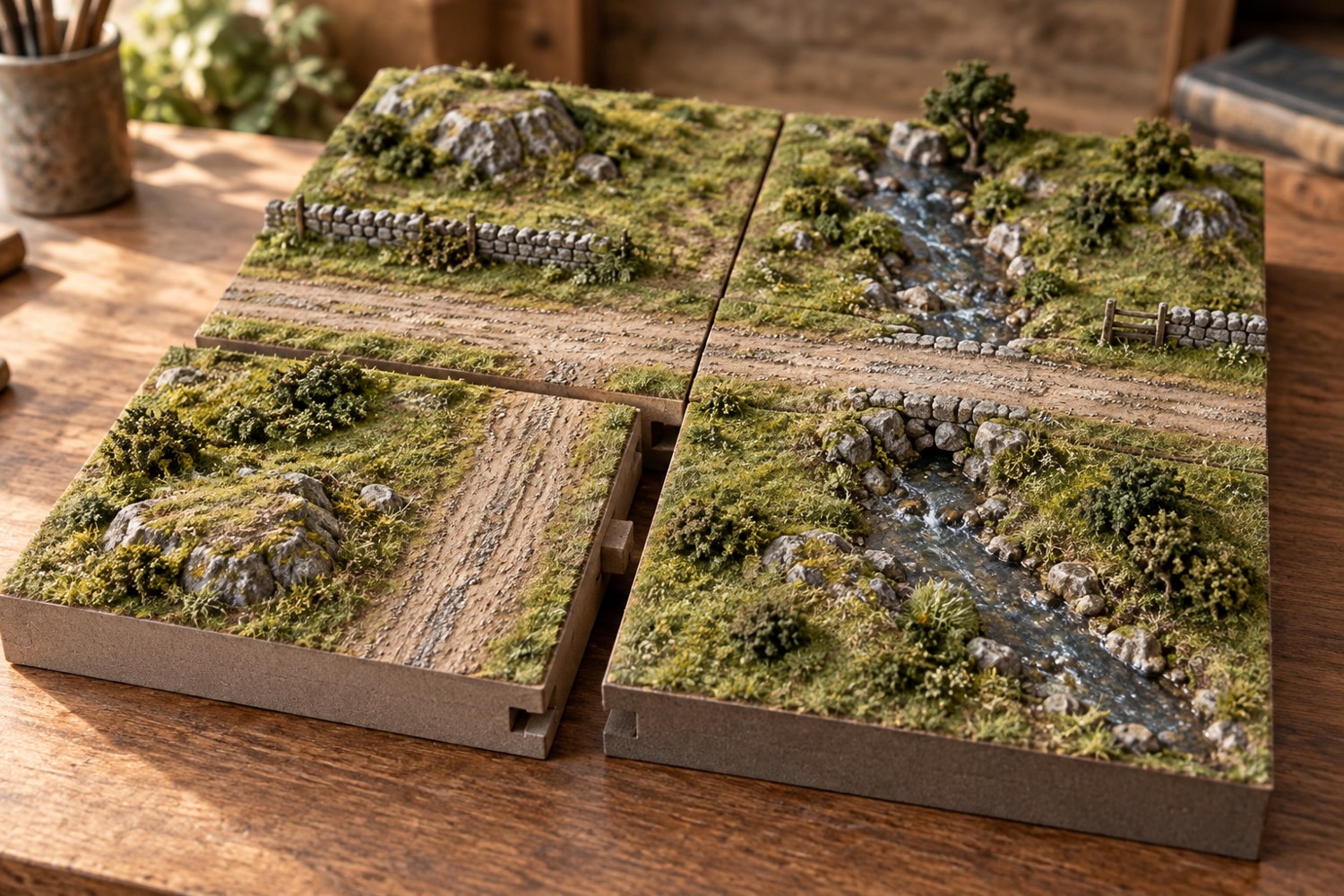
Read articleDefine a common edge profile and test several tile arrangements before adding texture or connectors.
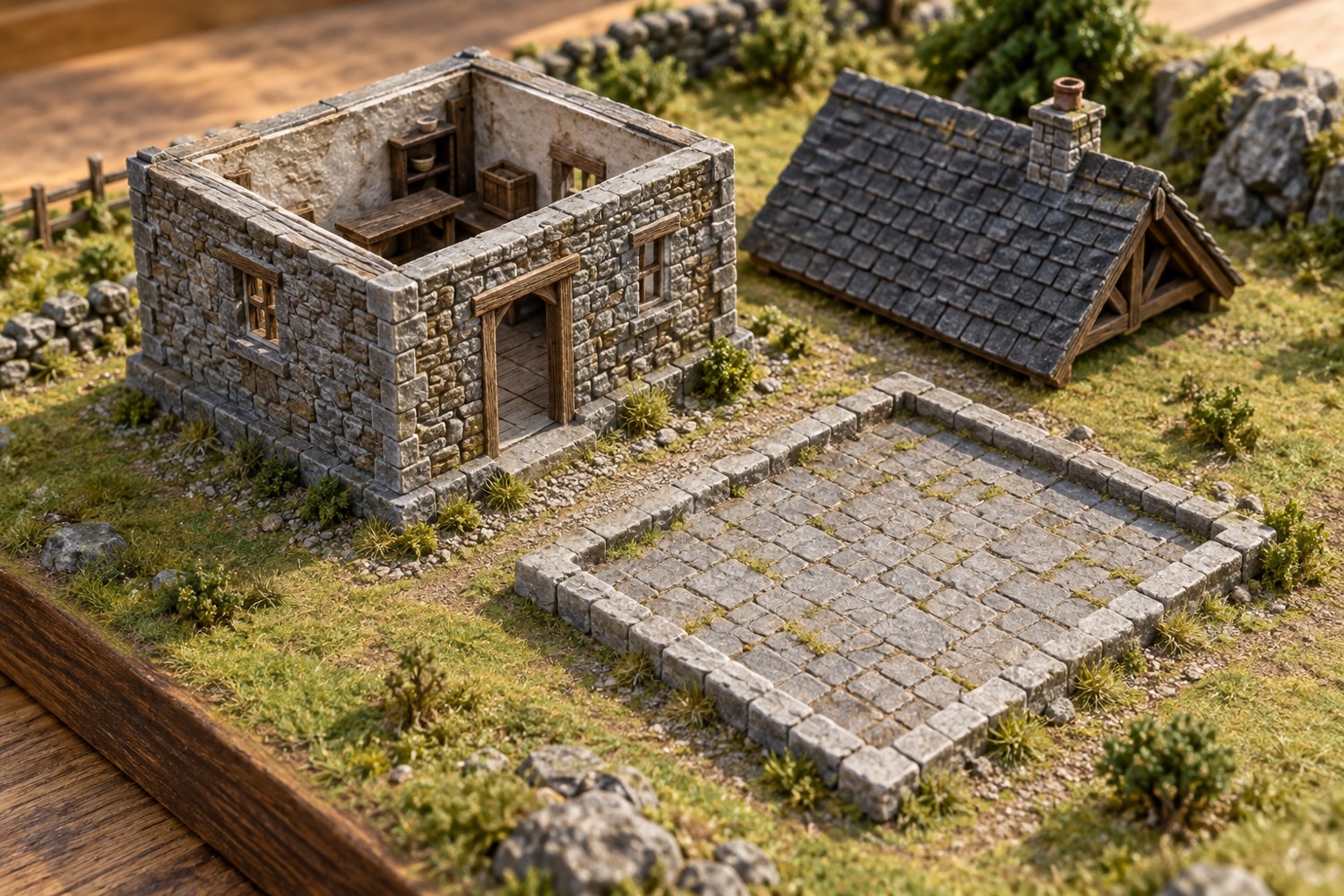
Read articleKeep a gaming building removable by separating its scenic footprint from the surfaces used to locate and lift it.
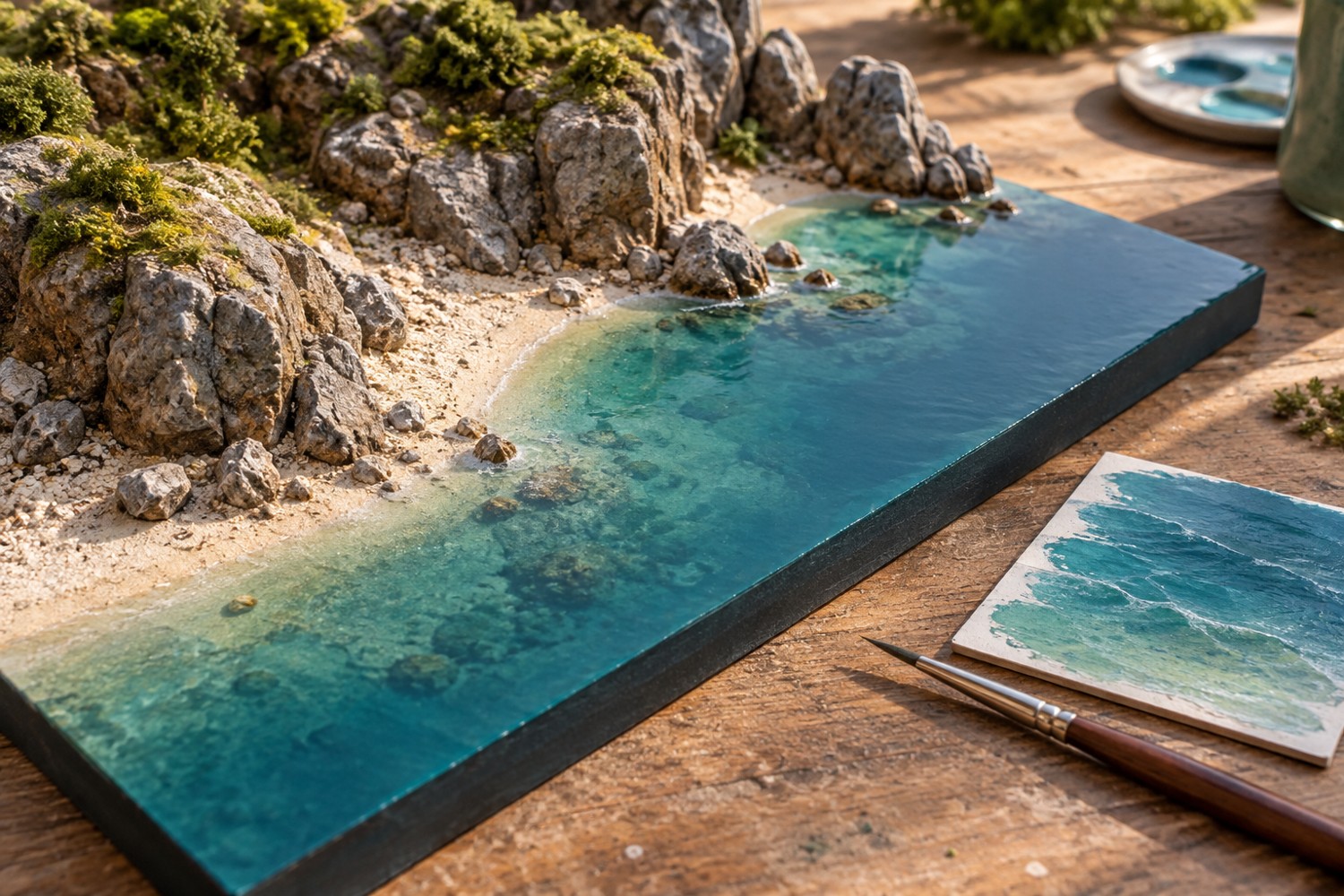
Read articleSuggest shallow water with colour and surface sheen while keeping the coastline build free from deep pours.
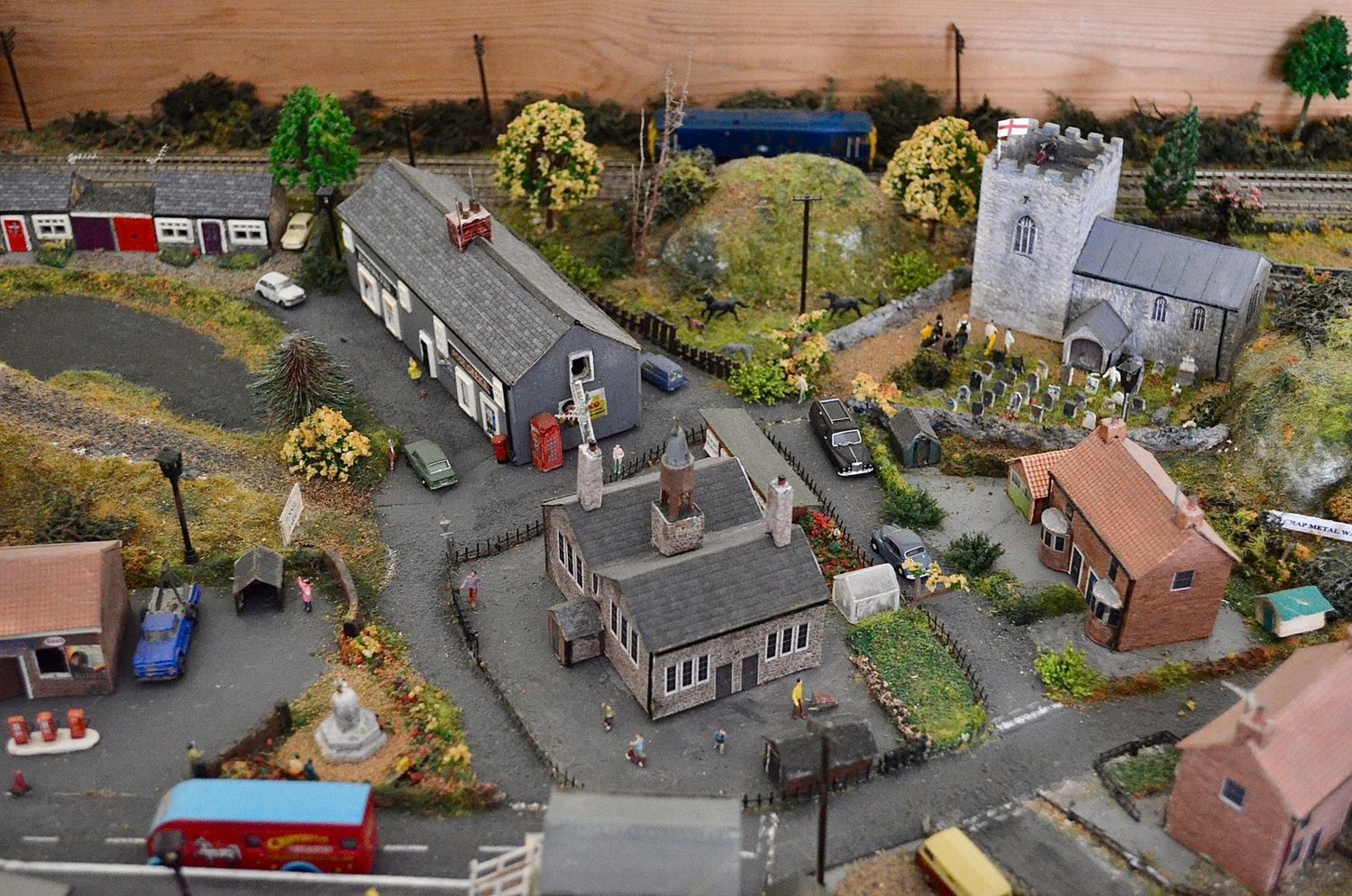
Read articleUse shape, contrast and open space to give a miniature village one clear centre of attention.
Read articleDraw usable routes through a scene before buildings and scenery make them impossible to change.
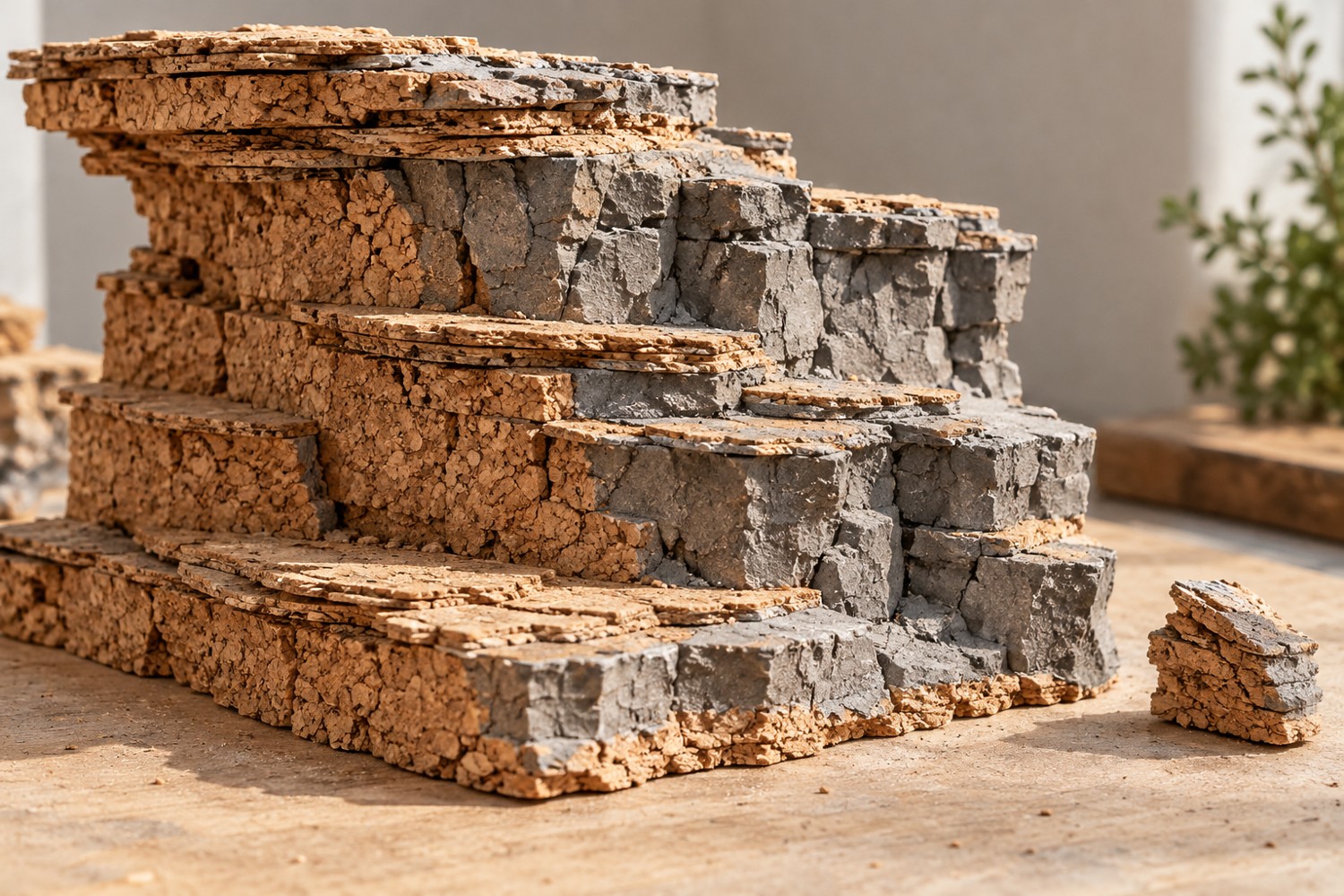
Read articleArrange cork fragments around a consistent layer direction rather than stacking random chunks of texture.
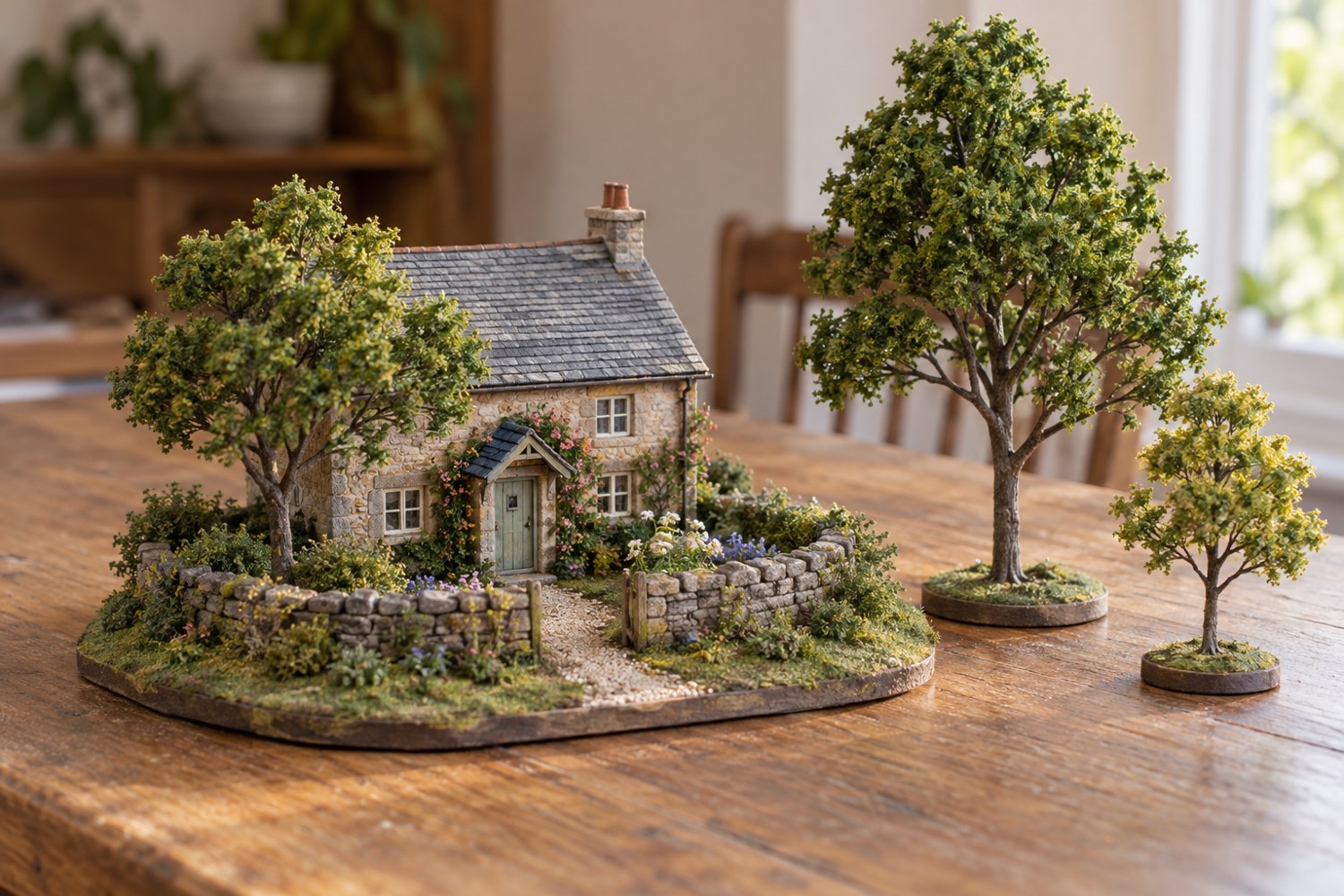
Read articleJudge miniature trees beside buildings and paths, then use their shape and canopy spread to organise the scene.
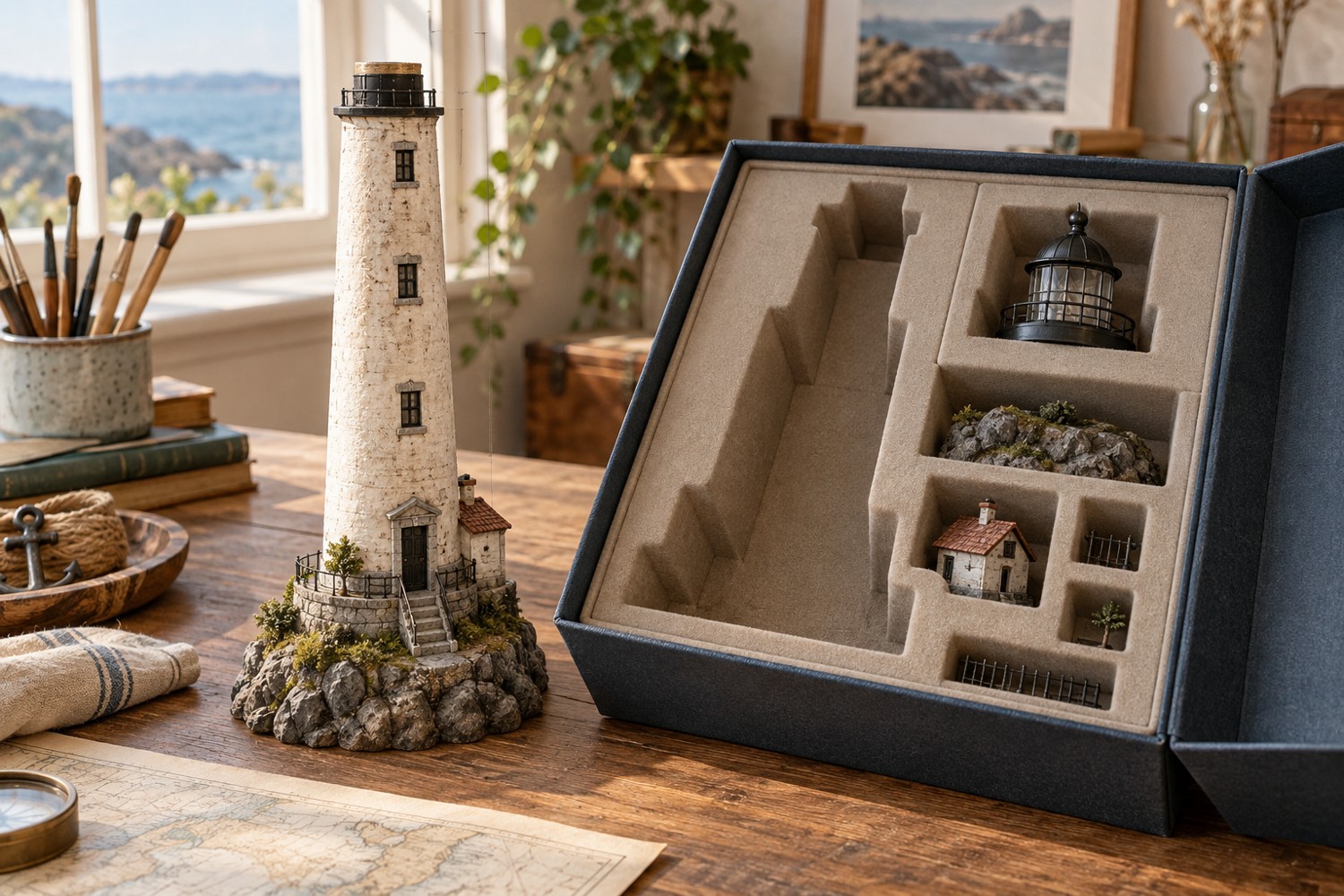
Read articleSet the storage envelope and handling route before committing to a tall tower, tree or cliff.
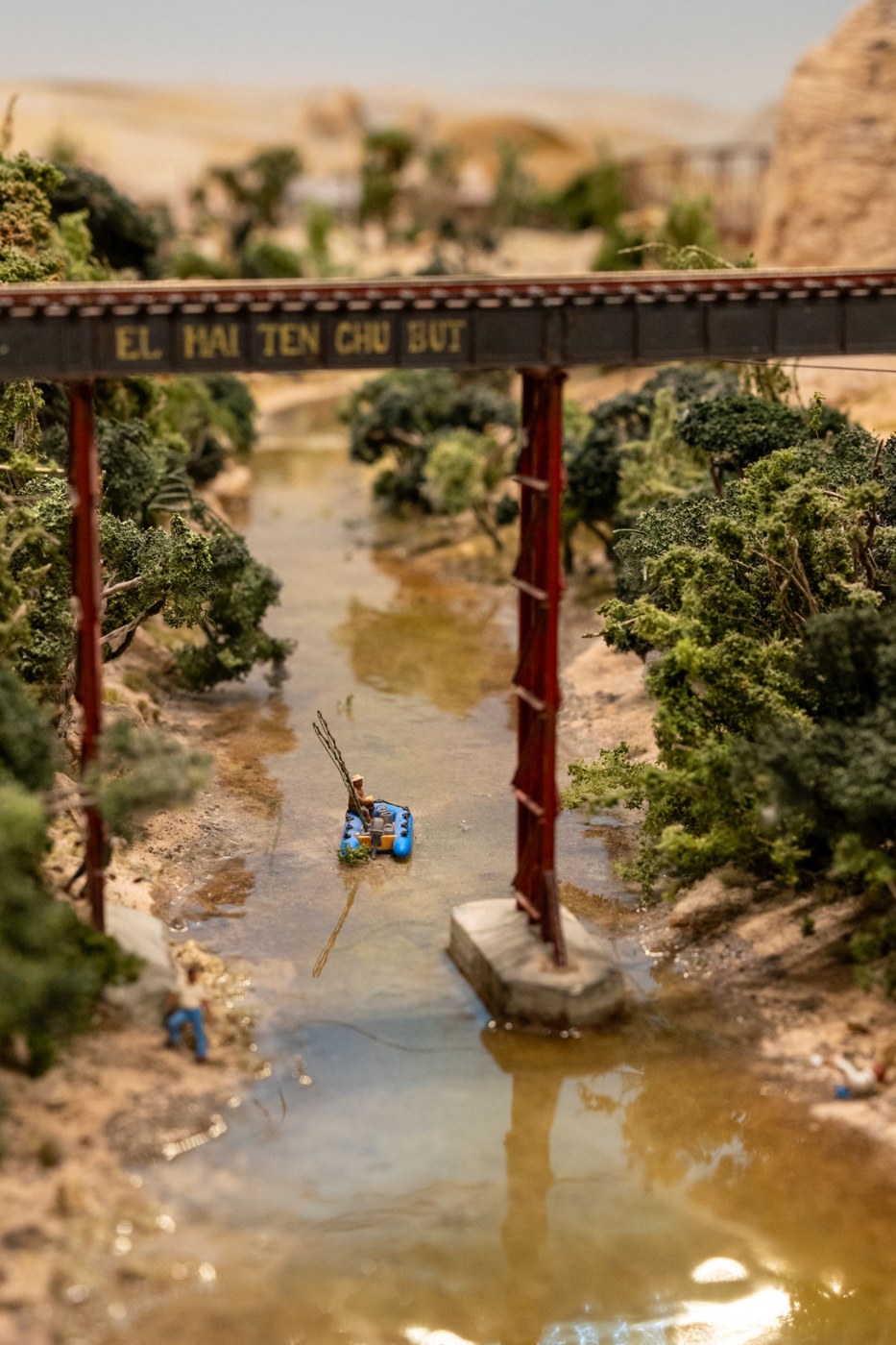
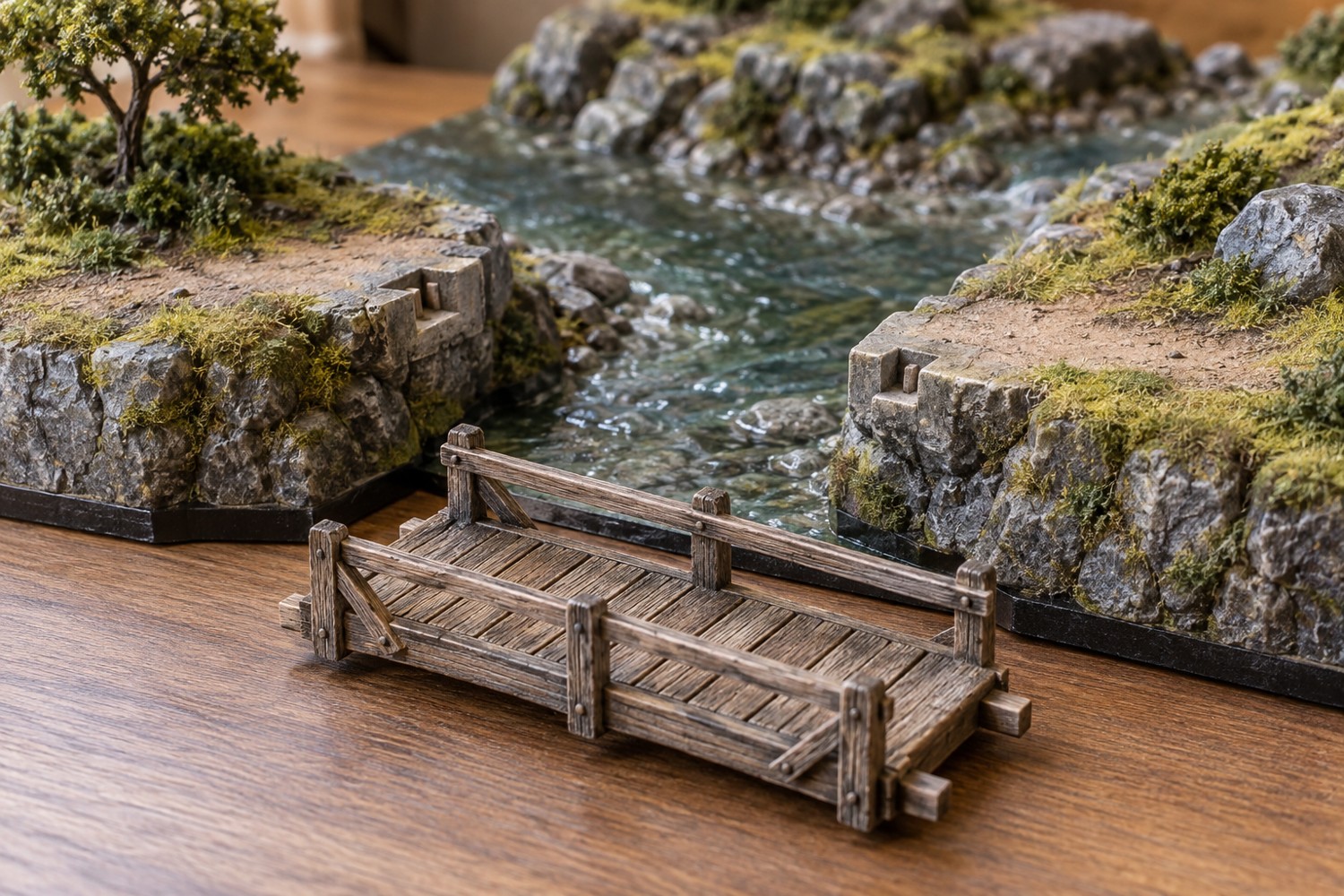
Read articleDesign a bridge and its landing points together so the span can be lifted out without disturbing the surrounding scenery.
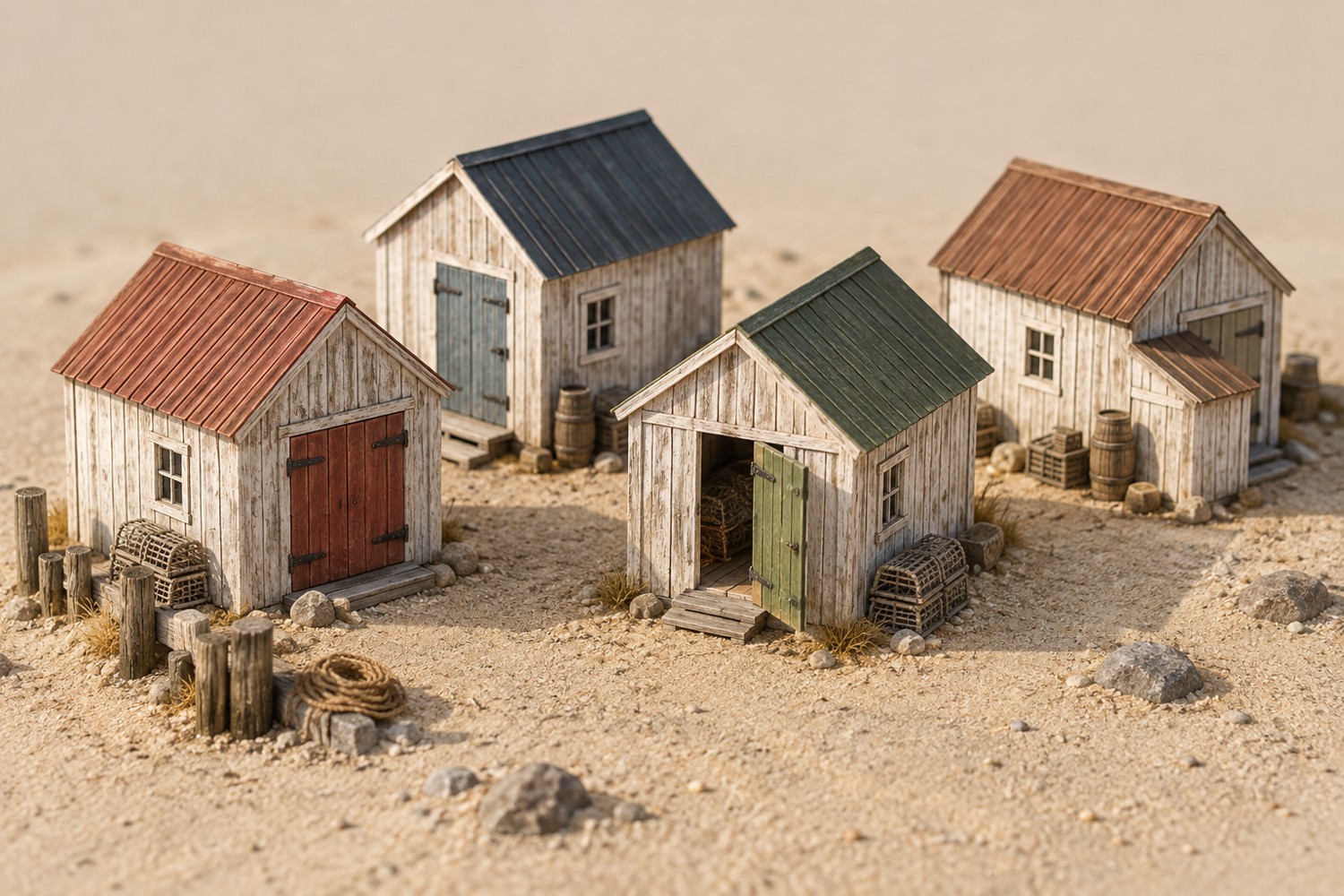
Read articleVary placement, grouping and context while preserving the underlying identity of repeated buildings or terrain components.
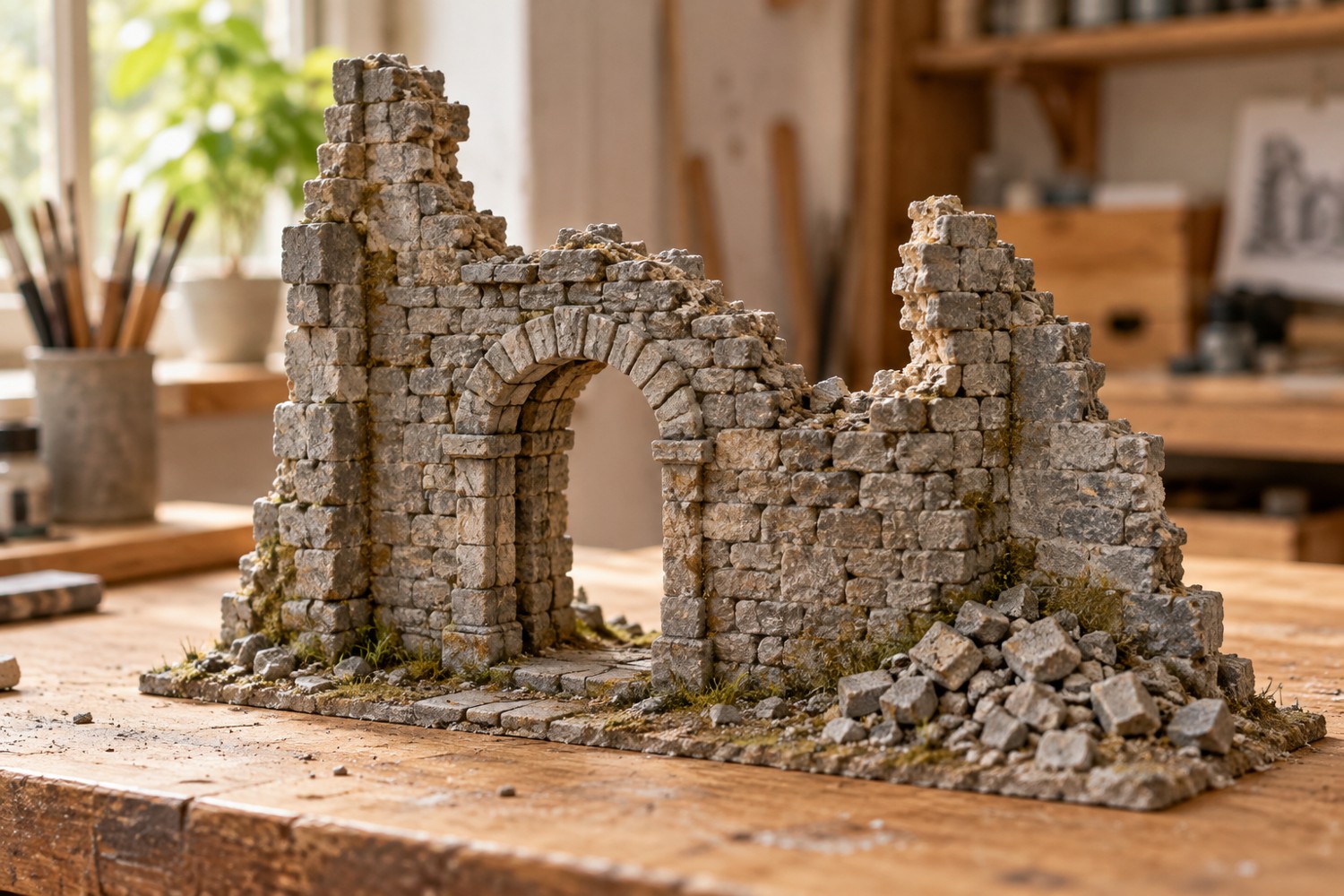
Read articleKeep the wall's original construction legible so broken edges and rubble describe damage rather than random texture.
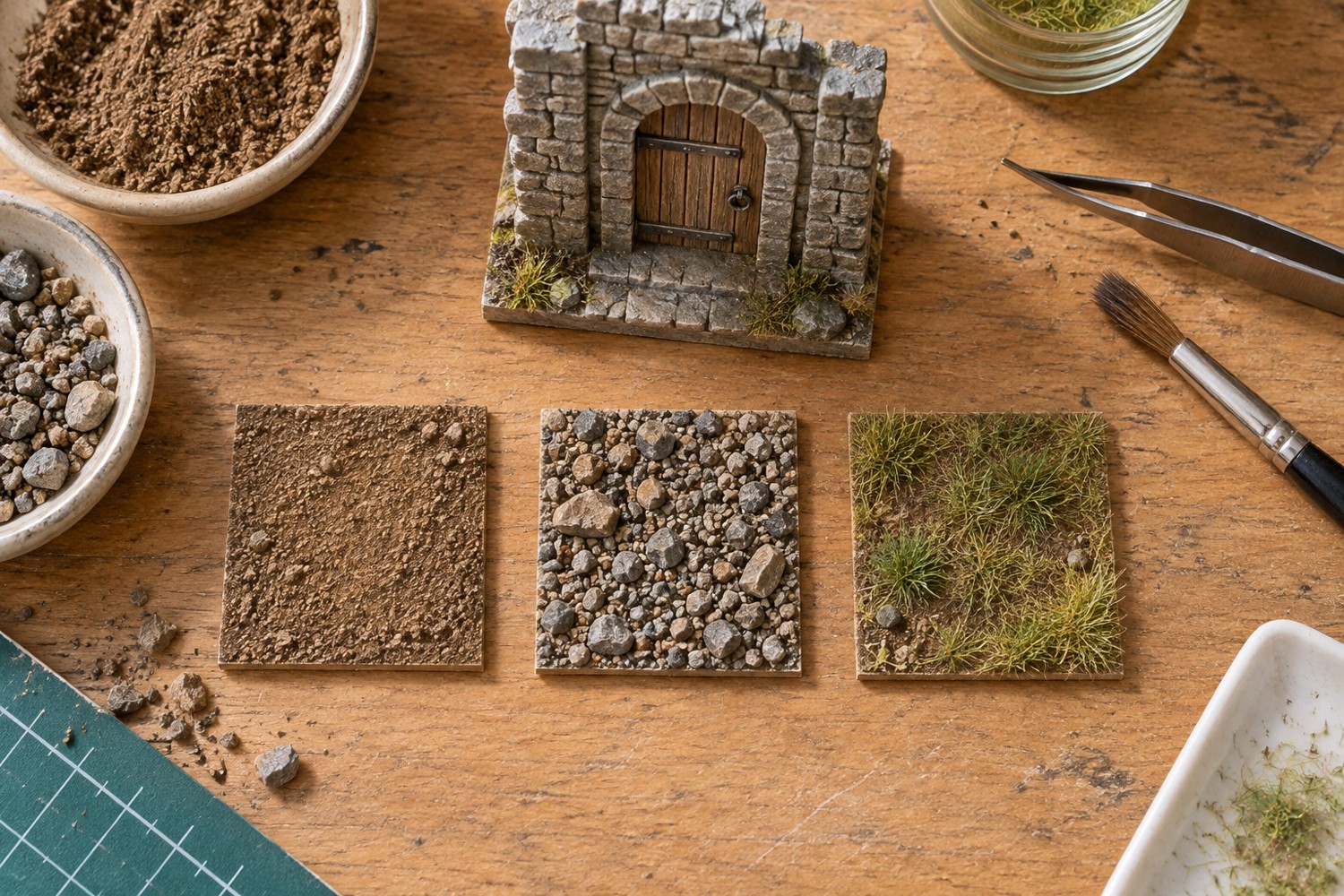
Read articleMatch the size and contrast of ground particles to the scene rather than choosing texture by its appearance in the bag.
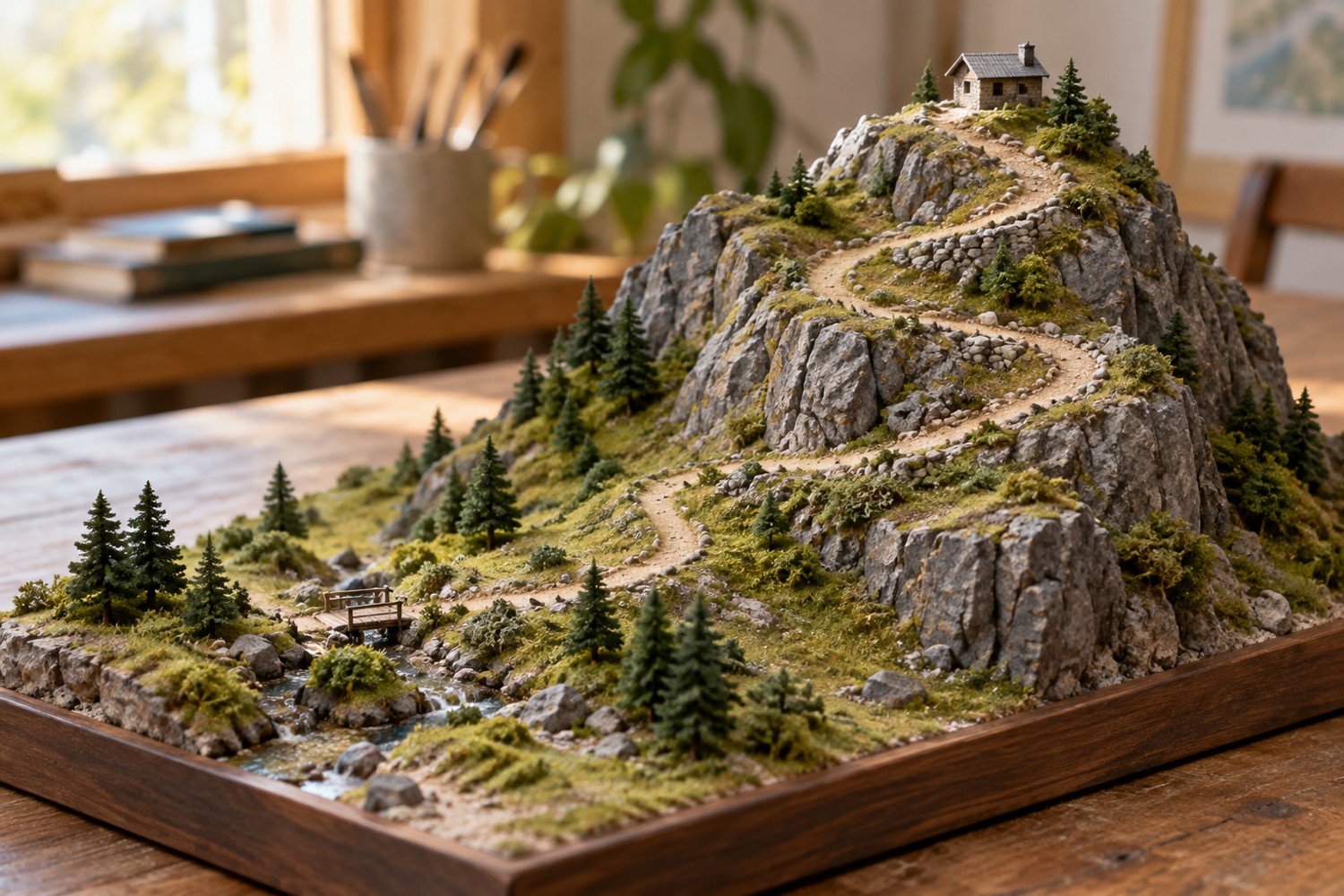
Read articleMake a mountain route readable in plan and side view, with enough space for its switchbacks and destination.
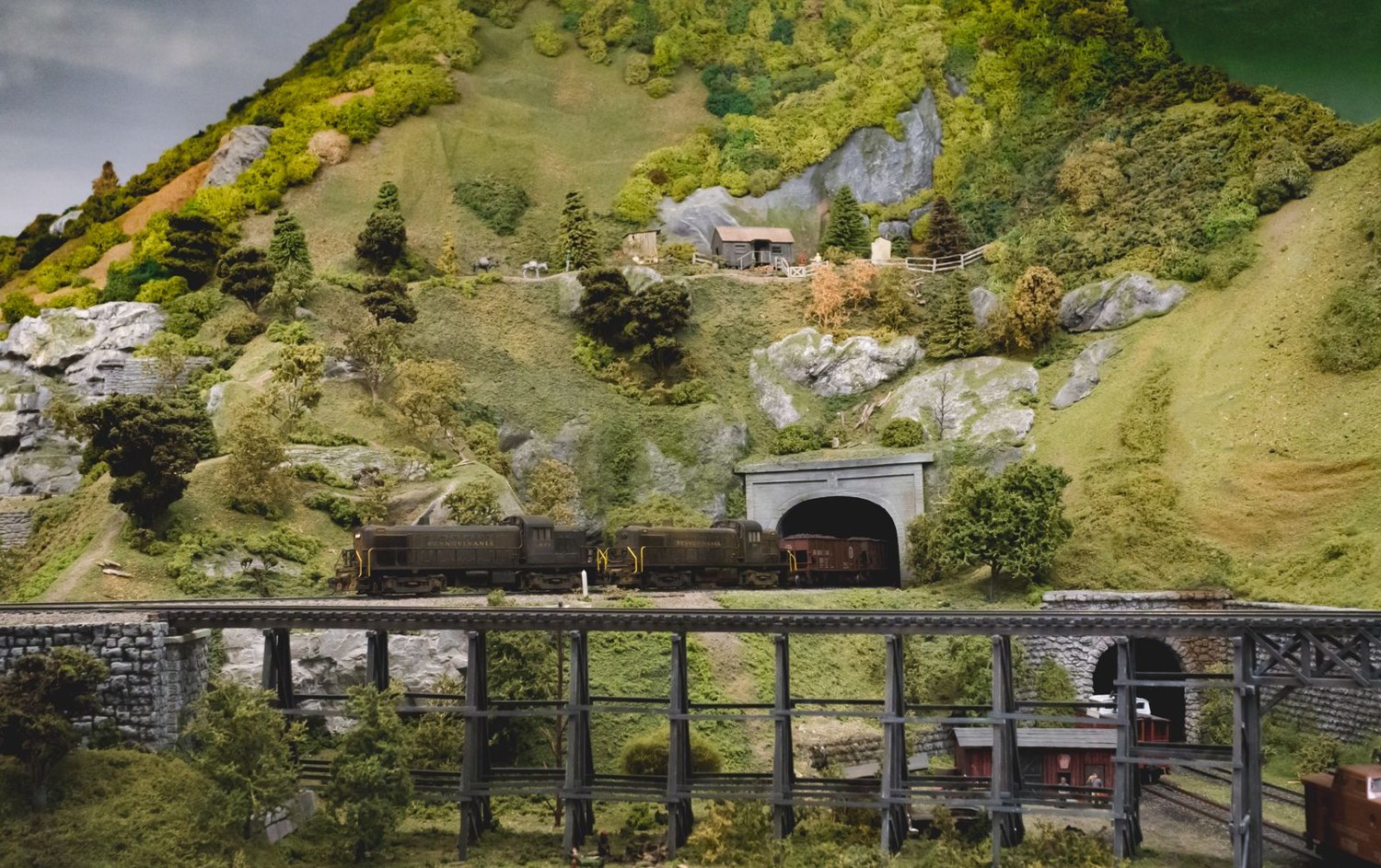
Read articleUse a controlled viewing height, a quiet horizon and a few overlapping forms to join three-dimensional scenery to a backdrop.
Read articleReserve the miniature's footprint and viewing space before building rocks, vegetation or dramatic changes in height.
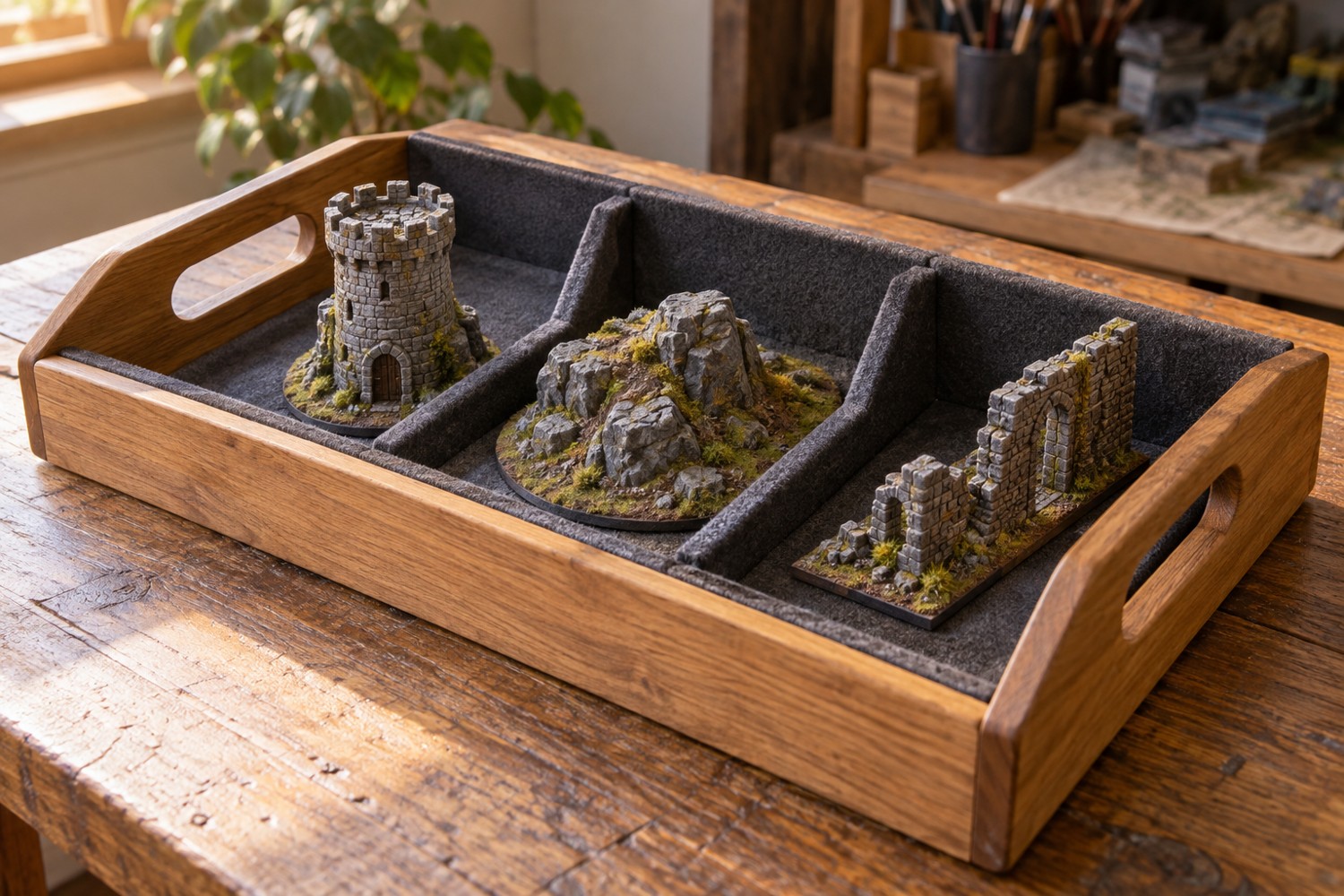
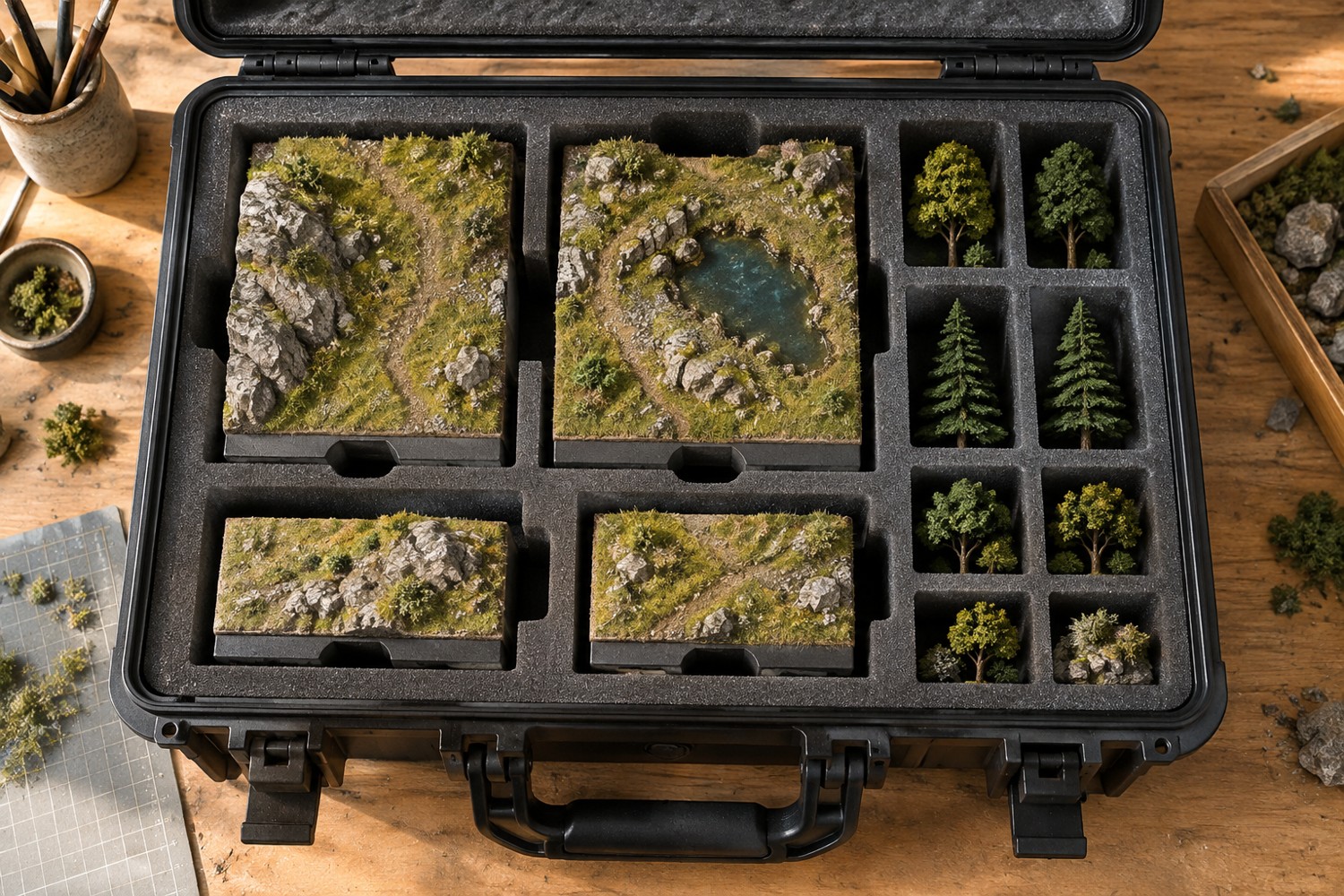
Read articleBuild a terrain tray around its load, lifting points and storage space, then decide how scenery will be restrained.
Read articleMake the lighthouse, headland and route from the landing point work as one composition before adding coastal details.
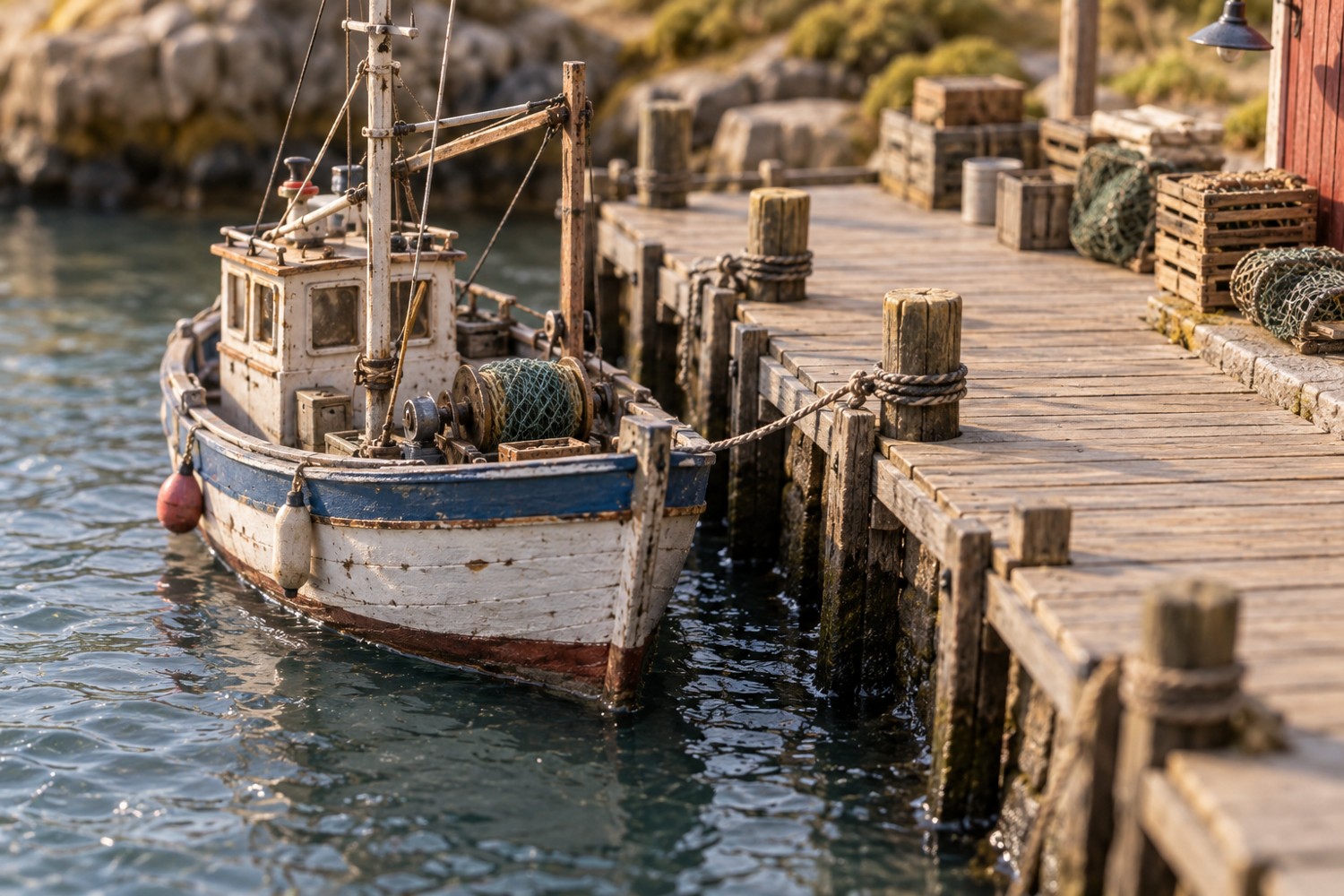
Read articleUse the boat, walkway and working areas to set dock spacing before adding bollards, crates or ropes.
Read articleReduce a landscape to a few colour masses so you can test contrast and mood before painting the detailed model.
Read articleUse separate scenic inserts and clear handling points to give a winter scene details that can be removed without scraping the snow surface.
Read articleOrganise terrain by support needs and unloading order so the journey does not undo the work on its exposed details.
Read articleNo articles match. Try a shorter phrase or another subject.